The Ngorongoro Crater stands as one of Africa’s most remarkable natural wonders and wildlife sanctuaries. This massive volcanic caldera in northern Tanzania hosts one of the densest concentrations of large mammals on the continent, creating unparalleled opportunities for wildlife viewing. A Ngorongoro Crater private safari offers an exclusive, personalized experience in this extraordinary ecosystem, allowing you to explore at your own pace while enjoying the undivided attention of expert guides.
Understanding the Ngorongoro Crater
Formed approximately 2.5 million years ago when a giant volcano exploded and collapsed on itself, the Ngorongoro Crater measures about 20 kilometers across and covers roughly 260 square kilometers. The crater floor sits 600 meters below the rim, creating a natural enclosure that sustains a self-contained ecosystem.
This unique geography prevents most animals from migrating in or out, resulting in a permanent wildlife population estimated at around 25,000 large animals. The crater’s varied habitats include grasslands, swamps, forests, and a soda lake, each supporting different species and creating diverse viewing opportunities within a relatively compact area.
UNESCO designated Ngorongoro a World Heritage Site in 1979, recognizing both its natural significance and archaeological importance. The area contains some of humanity’s earliest known footprints at Laetoli, dating back 3.6 million years, and Olduvai Gorge, often called the “Cradle of Mankind.”
Why Choose a Private Safari
A private safari transforms the Ngorongoro experience from good to exceptional. Unlike group safaris where you must compromise on timing, stopping duration, and route choices, a private safari puts you completely in control.
Personalized Itinerary
With a private vehicle and guide, you determine when to descend into the crater, how long to spend with specific animals, and which areas to prioritize. If you’re passionate about bird photography, your guide can focus on waterbird habitats around Lake Magadi. If you’re seeking the rare black rhino, you can dedicate more time to areas where they’re frequently spotted.
Expert Guide Attention
Your guide works exclusively for your group, answering questions thoroughly, sharing detailed ecological knowledge, and spotting wildlife you might otherwise miss. Experienced guides read animal behavior, anticipate movements, and position vehicles for optimal viewing and photography.
Flexible Timing
Private safaris allow early morning departures to catch predators during active hunting hours, or you can time your crater descent to avoid peak tourist congestion around midday. You control lunch timing, photo stop duration, and when to exit the crater.
Privacy and Comfort
Share the experience only with your chosen companions. There’s no competing for window seats, no waiting for strangers to finish photographing, and conversations remain intimate rather than diluted by group dynamics.
Wildlife Spectacle
The Ngorongoro Crater functions as a year-round wildlife paradise where sightings are remarkably consistent compared to other safari destinations that experience dramatic seasonal migrations.
The Big Five
The crater is one of few places in Africa where you can realistically see all Big Five animals in a single day. Lions are almost guaranteed, with several prides permanently residing on the crater floor. The Ngorongoro lions are known for their impressive manes, attributed to the cool crater climate.
Elephants, while present, are predominantly large bulls. Female herds with calves typically remain in the surrounding highlands, visiting the crater floor occasionally. These bulls carry impressive tusks, though not as large as those found in other Tanzanian parks.
Buffalo congregate in large herds, sometimes numbering in the hundreds. Their constant presence supports the predator populations, providing prey for lions and spotted hyenas.
Leopards inhabit the forested crater rim and occasionally venture onto the grasslands, though they remain the most elusive of the Big Five. Early morning and late afternoon offer the best chances for leopard sightings.
Black rhinoceros represent the crater’s conservation success story. Heavy poaching in the 1970s and 80s decimated populations across Africa, but Ngorongoro’s resident population, though small with around 30 individuals, is relatively stable. Spotting these critically endangered animals is a privilege that draws conservationists and wildlife enthusiasts worldwide.
Other Wildlife Highlights
Spotted hyenas thrive in the crater with one of Africa’s highest population densities. Their complex social structures and hunting prowess often surprise visitors who arrive with misconceptions about these intelligent predators.
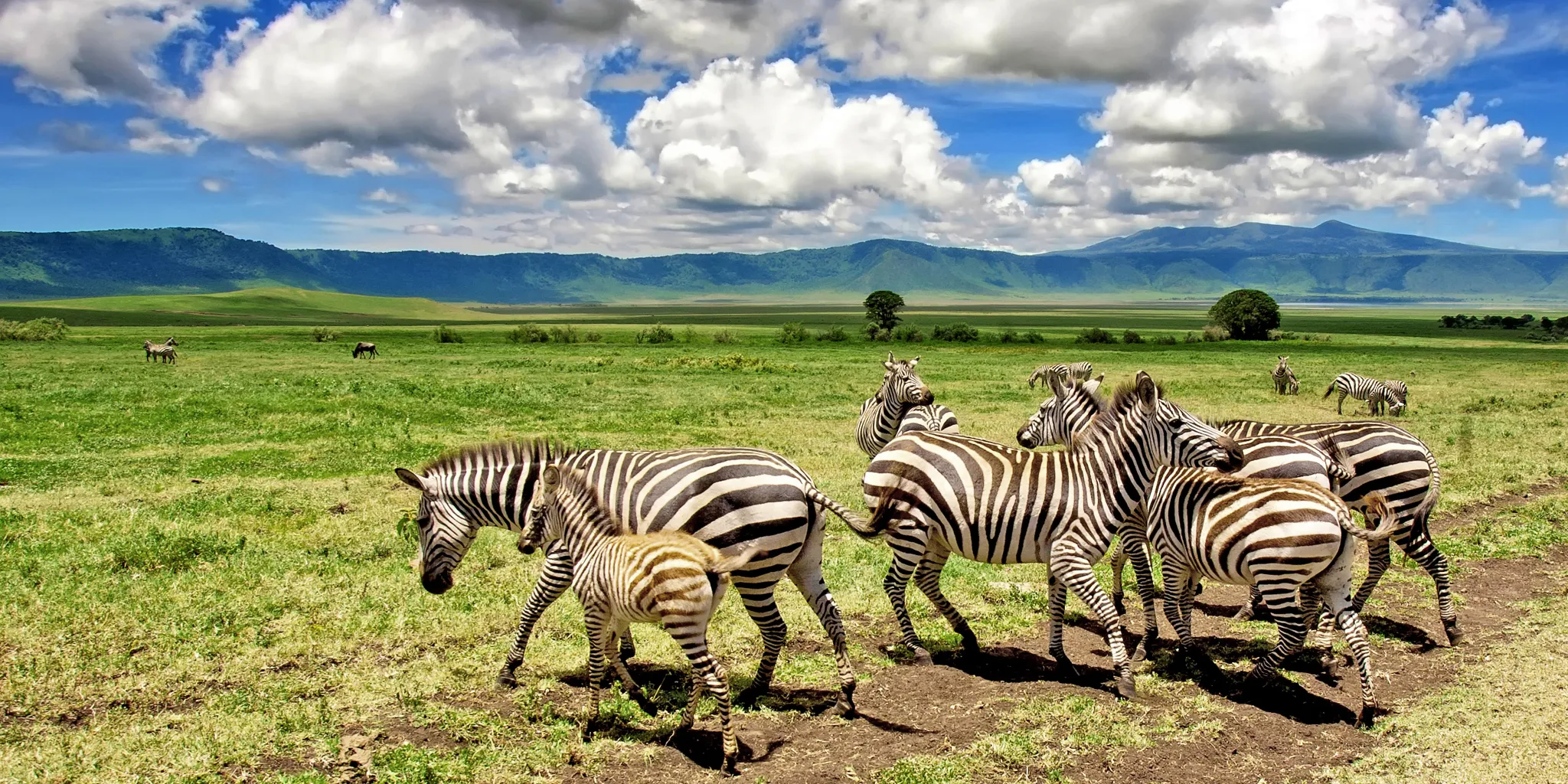
Wildebeest and zebra graze the grasslands in thousands, though unlike their Serengeti counterparts, Ngorongoro’s populations remain largely resident. Grant’s and Thomson’s gazelles, eland, hartebeest, and waterbuck add to the ungulate diversity.
Hippos wallow in pools and streams, particularly in the Ngoitokitok Spring area where underground water creates permanent marshland. During the day, they rest in water, emerging at night to graze on the crater grasslands.
Cheetahs occasionally appear on the plains, though their numbers remain lower than in the Serengeti. The crater’s terrain, while offering good visibility, provides limited escape routes that cheetahs prefer for hunting.
Birdlife
Over 500 bird species have been recorded in the Ngorongoro Conservation Area. Lake Magadi, the shallow soda lake on the crater floor, attracts thousands of flamingos when conditions are right. The alkaline waters support algae that flamingos filter-feed on, creating pink swathes across the water.
Other notable species include crowned cranes, kori bustards, ostriches, and various raptors including augur buzzards and Verreaux’s eagles that nest on the crater walls.
Planning Your Private Safari
Duration Options
Most visitors allocate a full day for the Ngorongoro Crater experience. You typically descend early in the morning around 6:30 or 7:00 AM, spend 5 to 6 hours on the crater floor, then ascend by early afternoon. This timing maximizes wildlife activity and avoids the hottest midday hours.
Some luxury lodges on the crater rim offer the option of splitting your visit across two half-days, though regulations limiting vehicle time on the crater floor make single full-day visits more common.
Multi-day private safaris often combine Ngorongoro with the Serengeti, Tarangire, and Lake Manyara, creating comprehensive northern Tanzania circuits. Allocating 2 to 3 days in the Ngorongoro Conservation Area allows time for crater visits plus exploration of the surrounding highlands and Olmoti or Empakaai craters.
Best Time to Visit
The crater offers excellent wildlife viewing year-round, making it less season-dependent than migration-focused destinations. However, timing considerations exist.
The dry season from June to October provides easiest game viewing as animals concentrate around water sources and vegetation thins out. The weather is pleasant with clear skies, though this is also peak tourist season, meaning more vehicles in the crater.
The short rains from November to December bring green landscapes and dramatic skies perfect for photography. Wildlife remains abundant and visitor numbers drop slightly.
January and February see the Serengeti wildebeest calving season, and while this occurs outside the crater, many safaris combine both destinations during this spectacular period.
The long rains from March to May bring heavy afternoon downpours, lush vegetation, and fewer tourists. Roads can become muddy and challenging, though modern 4×4 vehicles handle conditions well. This period offers lower rates at lodges and a more exclusive experience.
Accommodation Choices
Lodges around the Ngorongoro Crater range from luxury properties perched on the rim to more affordable options in the nearby town of Karatu.
Rim lodges like Ngorongoro Crater Lodge, Ngorongoro Serena Safari Lodge, and Neptune Ngorongoro Luxury Lodge offer stunning views directly into the crater. Waking to sunrise over this natural wonder creates unforgettable moments. These properties command premium prices but provide the ultimate Ngorongoro experience.
Karatu, located about 20 kilometers from the crater gate, hosts numerous mid-range and budget lodges. The drive adds about 30 minutes to your crater access time but significantly reduces accommodation costs. Properties like Ngorongoro Farm House and Tloma Lodge offer comfortable stays in beautiful highland settings.
For those seeking authentic experiences, several tented camps in the conservation area provide a balance between comfort and closeness to nature.
What to Bring
Layer your clothing as temperatures vary dramatically. Early mornings and evenings on the crater rim can be quite cold, especially during dry season, while the crater floor warms considerably by midday. Bring a warm jacket, long pants, and a hat.
Quality binoculars enhance wildlife viewing, allowing you to observe animals without disturbing them. Camera equipment should include a telephoto lens, ideally 200mm or longer, for capturing wildlife detail. Bring extra batteries and memory cards as cold temperatures drain batteries faster.
Sun protection is critical at this altitude. Pack high-SPF sunscreen, sunglasses, and a wide-brimmed hat. The equatorial sun combined with reflection off open grasslands creates intense exposure.
A good field guide to East African mammals and birds enriches your understanding. Many guides carry reference materials, but having your own allows evening review of the day’s sightings.
Cultural Dimensions
The Ngorongoro Conservation Area represents a unique land-use model where wildlife conservation coexists with human habitation. The Maasai people have grazing rights within the conservation area, and you’ll see traditional bomas (homesteads) and herders with their cattle sharing the landscape with wildlife.
This arrangement creates both challenges and opportunities. Competition for resources exists, but the Maasai presence also contributes to the area’s cultural richness. Many lodges offer optional cultural visits to Maasai villages, though approach these with cultural sensitivity and awareness that some have become quite commercialized.
Conservation Challenges
Despite its protected status, Ngorongoro faces environmental pressures. The growing human population in surrounding areas, climate change affecting rainfall patterns, and the delicate balance between tourism revenue and ecosystem impact require ongoing management.
The crater’s isolated nature that makes it special also creates genetic concerns for some species. Limited gene flow, particularly for lions and rhinos, necessitates occasional translocation programs to maintain genetic diversity.
Tourism itself presents a double-edged sword. Revenue from park fees and accommodation supports conservation efforts and local communities, but vehicle numbers, especially during peak season, can stress wildlife and degrade the crater floor. Private safaris actually help mitigate this by spreading visitor impact across more exclusive vehicles rather than crowded group vans.
Photography Opportunities
The Ngorongoro Crater offers exceptional photographic opportunities with dramatic backdrops and concentrated wildlife. The crater walls create natural framing for compositions, while the varied terrain provides diverse settings from acacia woodlands to open plains.
Early morning light casts golden hues across the grasslands, perfect for atmospheric shots. Dust kicked up by buffalo herds or vehicle tracks adds texture to images. Predator interactions, particularly lion prides or hyena clans, provide action sequences.
The crater’s compact nature means less time driving between sightings and more time positioned for optimal shots. Private safaris allow photographers to communicate specific needs, like requesting lower window positions for eye-level angles or waiting patiently for perfect light.
Conclusion: Key Takeaways
A Ngorongoro Crater private safari delivers one of Africa’s most concentrated and reliable wildlife experiences in a setting of extraordinary natural beauty. The investment in privacy and personalization elevates the experience significantly above standard group tours.
Book well in advance, especially for peak season travel between June and October. Quality lodges and experienced guide-driver teams get reserved months ahead. Research your safari operator thoroughly, prioritizing those with strong conservation ethics, well-maintained vehicles, and knowledgeable guides over simply the cheapest option.
Choose accommodation based on your priorities. Rim lodges offer unmatched convenience and views but command premium prices. Karatu-based options reduce costs while maintaining quality. Consider spending at least one night on the crater rim to experience sunset and sunrise over this natural wonder.
Communicate your interests to your guide beforehand. Whether you prioritize photography, bird watching, predator behavior, or comprehensive game viewing, advance notice allows guides to plan accordingly. The best guides adjust their approach based on guest interests rather than following rigid scripts.
Manage your expectations regarding black rhino sightings. While the crater offers Africa’s best chances for seeing this critically endangered species, they remain rare and elusive. Appreciate any rhino encounter as a privilege rather than an expectation.
Respect the six-hour limit for vehicles on the crater floor. This regulation protects the ecosystem from excessive tourism impact. Use your time wisely, but don’t rush. Quality observation of fewer animals creates more meaningful experiences than frantically chasing every sighting.
Consider combining Ngorongoro with complementary destinations. The Serengeti offers the migration spectacle, Tarangire provides elephant concentrations, and Lake Manyara adds tree-climbing lions and diverse birdlife. Multi-park itineraries showcase Tanzania’s wildlife diversity.
Support conservation through your choices. Select operators committed to sustainable tourism practices, respect wildlife viewing guidelines, and consider the broader impact of your visit on this extraordinary ecosystem.
A Ngorongoro Crater private safari represents more than wildlife viewing. It connects you to evolutionary history in the landscape where humanity took its first steps, demonstrates successful conservation creating space for both wildlife and people, and offers intimate encounters with some of Earth’s most magnificent creatures in one of its most beautiful settings.
