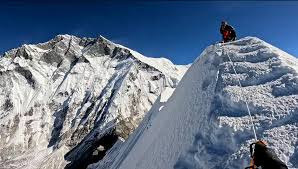
Island Peak climbing is one of the best ways to start your journey into Himalayan mountaineering. Located in Nepal’s Everest region, Island Peak (6,189 meters) offers a perfect mix of trekking and climbing experience. It is ideal for beginners who want to step beyond trekking and explore real mountaineering in a safe and guided environment.
Why Choose Island Peak Climbing?
Island Peak is often called the “training peak” for new climbers. It is not too technical, but still gives you a real taste of climbing with ropes, ice axes, and crampons. The journey combines adventure, scenic beauty, and cultural exploration.
Many trekkers who complete the Everest region trails choose island peak climbing as their next challenge. It builds confidence and prepares you for higher expeditions in the future.
Best Time for Island Peak Climbing
The best seasons are spring (March to May) and autumn (September to November). During these months, the weather is stable, skies are clear, and mountain views are stunning.
Avoid the monsoon season due to heavy rain and winter because of extreme cold and snow.
Route and Itinerary Overview
Most Island Peak climbing journeys begin with a flight to Lukla, followed by a trek through famous Sherpa villages like Namche Bazaar and Dingboche.
To make the journey more exciting, some climbers combine it with the Gokyo lakes trek. This route offers beautiful turquoise lakes and fewer crowds compared to the classic Everest Base Camp trail.
Another extended option is linking the trip with the Makalu Base Camp Trek, which adds more adventure and remote exploration for experienced trekkers.
Difficulty Level
Island Peak climbing is considered moderately difficult. You don’t need advanced climbing skills, but basic fitness is important.
You will walk for several days at high altitude and then climb using simple mountaineering techniques. Guides provide training before the summit push, making it beginner-friendly.
What You Will Experience
-
Stunning views of Everest, Lhotse, and Ama Dablam
-
Unique Sherpa culture and mountain lifestyle
-
Glacier crossing and rope climbing experience
-
A sense of achievement after reaching the summit
The summit day is the most challenging but also the most rewarding. Watching the sunrise from the top is truly unforgettable.
Essential Tips for Beginners
-
Train Before You Go – Focus on cardio and strength training.
-
Acclimatize Properly – Take rest days to adjust to high altitude.
-
Pack Smart – Carry proper gear like warm clothing and climbing equipment.
-
Hire Expert Guides – Professional support ensures safety and success.
Why Travel with Experts?
Choosing a reliable trekking company makes a big difference. With expert-guided trekking, peak climbing, and cultural tours, your journey becomes safer and more enjoyable.
Professional teams handle permits, logistics, and training so you can focus on the adventure. Their experience helps beginners feel confident throughout the climb.
Final Thoughts
Island Peak climbing is more than just reaching a summit. It’s about exploring the Himalayas, challenging yourself, and creating lifelong memories.
Whether you combine it with the Gokyo lakes trek or extend your journey to the Makalu Base Camp Trek, this adventure offers something truly special.
If you dream of climbing in the Himalayas, Island Peak is the perfect place to start.
