Introduction
Mera Peak Climbing is one of Nepal’s most rewarding high-altitude adventures, offering trekkers the chance to summit Mera Peak (6,476 meters / 21,247 feet), the highest officially recognized trekking peak in Nepal. Nestled in the remote Hinku Valley of the Everest region, Mera Peak is renowned for its breathtaking Himalayan views, relatively non-technical climbing route, and unforgettable trekking experience.
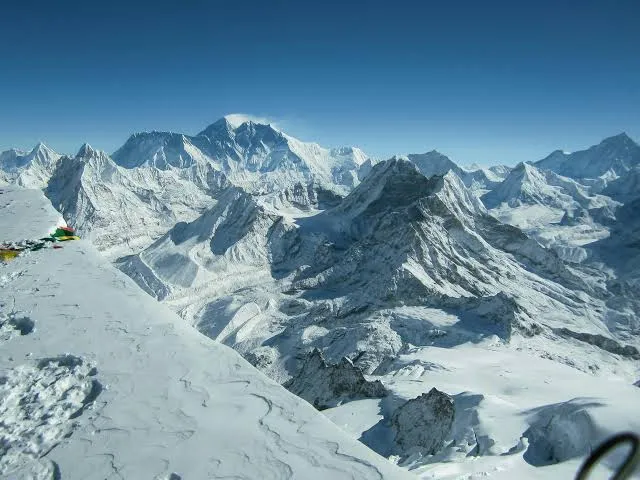
For adventure seekers who want to experience mountaineering without tackling an extremely technical expedition, Mera Peak Climbing is the perfect choice. The journey combines scenic trekking through untouched forests, alpine valleys, glaciers, and traditional mountain villages before reaching a spectacular summit with panoramic views of five of the world’s highest mountains. It is an ideal expedition for climbers looking to take their first step into Himalayan mountaineering while enjoying Nepal’s incredible natural beauty.
The Journey to Mera Peak
The adventure usually begins with a flight from Kathmandu to Lukla, followed by a trek into the peaceful Hinku Valley. Unlike the busy Everest Base Camp trail, the Mera Peak route takes travelers through quieter landscapes where they can enjoy nature without large crowds.
The trail passes through dense forests of rhododendron, pine, and bamboo before climbing into alpine meadows, rocky ridges, and glacial terrain. Along the way, trekkers cross suspension bridges, walk beside crystal-clear rivers, and pass traditional settlements where local communities continue to preserve their Himalayan traditions.
As the altitude increases, the scenery becomes even more dramatic, with snow-covered peaks appearing on every horizon. The gradual ascent also helps climbers acclimatize before the final summit push.
The Summit Climb
Reaching the summit of Mera Peak is the highlight of the expedition. Climbers usually begin their ascent before dawn, using headlamps to navigate the snowy slopes while taking advantage of stable morning weather.
Although Mera Peak requires basic mountaineering equipment such as crampons, harnesses, ropes, and ice axes, the route is considered straightforward compared to more technical Himalayan peaks. The climb mainly involves walking across glaciers and gradual snow slopes rather than steep rock climbing.
After several hours of steady climbing, the summit rewards adventurers with one of the finest panoramic views anywhere in the Himalayas. Standing at 6,476 meters is an unforgettable achievement that brings both excitement and personal satisfaction.
Incredible Himalayan Panorama
One of the greatest reasons climbers choose Mera Peak is the extraordinary mountain scenery visible from its summit.
On a clear day, climbers can admire spectacular views of:
-
Mount Everest (8,848.86 m)
-
Lhotse (8,516 m)
-
Makalu (8,485 m)
-
Cho Oyu (8,188 m)
-
Kanchenjunga (8,586 m)
Very few trekking peaks offer such an impressive collection of Himalayan giants from a single viewpoint. The sunrise from the summit creates a breathtaking display as golden light illuminates the snow-covered peaks stretching across Nepal and Tibet.
These unforgettable mountain views make every step of the challenging climb worthwhile.
Culture and Local Communities
The Mera Peak route passes through remote villages where trekkers experience the traditions of the Sherpa and Rai communities. These mountain settlements are known for their warm hospitality, colorful Buddhist prayer flags, ancient monasteries, and peaceful lifestyle.
Visitors have the opportunity to stay in family-operated teahouses, enjoy authentic Nepali meals, and learn about the customs and beliefs that have shaped Himalayan life for generations.
The cultural experiences along the trail add depth to the adventure and create meaningful connections beyond the mountain scenery.
Difficulty and Physical Preparation
Mera Peak Climbing is classified as a moderately challenging expedition. While it does not require advanced technical climbing skills, climbers should have good physical fitness and be comfortable trekking for multiple days at high altitude.
The biggest challenge is the elevation rather than the climbing technique. Proper acclimatization is essential because the summit rises above 6,400 meters, where oxygen levels are significantly lower.
Before the summit attempt, experienced guides provide instruction on using climbing equipment safely. Preparing with regular hiking, endurance training, and cardiovascular exercise greatly improves the chances of reaching the summit successfully.
Best Time for Mera Peak Climbing
The ideal seasons for Mera Peak Climbing are spring (March to May) and autumn (September to November).
Spring offers mild temperatures, blooming rhododendron forests, and stable climbing conditions. Autumn is equally popular because of its clear skies, dry weather, and exceptional mountain visibility.
Winter expeditions are possible for experienced climbers but involve severe cold and heavy snowfall. The summer monsoon season is generally avoided because rainfall, clouds, and slippery trails can make the expedition more difficult.
Choosing the right season provides the safest conditions and the best opportunities to enjoy the spectacular Himalayan scenery.
Why Choose Mera Peak Climbing?
Mera Peak Climbing is one of the best options for adventurers who want to experience Himalayan mountaineering without tackling extremely technical peaks. The expedition combines remote trekking, glacier travel, cultural exploration, and world-class summit views into one unforgettable journey.
Its relatively straightforward climbing route makes it suitable for first-time mountaineers who are properly prepared and accompanied by experienced guides. The peaceful trails, stunning landscapes, and remarkable summit panorama make Mera Peak one of Nepal’s most rewarding climbing adventures.
Conclusion
Mera Peak Climbing offers an extraordinary combination of trekking, mountaineering, and Himalayan exploration. From the peaceful forests of the Hinku Valley to the snow-covered summit overlooking five of the world’s highest mountains, every stage of the expedition delivers unforgettable experiences.
Although the climb demands physical preparation, determination, and proper acclimatization, the rewards are truly exceptional. For travelers seeking their first Himalayan summit or looking to expand their mountaineering experience, Mera Peak Climbing provides the perfect balance of adventure, challenge, and breathtaking natural beauty.
Key Takeaways
-
Mera Peak is Nepal’s highest trekking peak at 6,476 meters (21,247 feet).
-
The climb is ideal for physically fit trekkers with basic mountaineering training.
-
The summit offers panoramic views of Everest, Lhotse, Makalu, Cho Oyu, and Kanchenjunga.
-
The expedition passes through the beautiful and less-crowded Hinku Valley.
-
Proper acclimatization and basic climbing equipment are essential.
-
Spring and autumn are the best seasons for climbing.
-
Mera Peak is an excellent introduction to high-altitude Himalayan mountaineering.
Final Thoughts
Mera Peak Climbing is more than a summit expedition—it is a journey through some of Nepal’s most pristine mountain landscapes, where adventure, culture, and natural beauty come together. Every glacier crossed, every sunrise witnessed, and every step toward the summit creates memories that last a lifetime. Whether you are pursuing your first Himalayan peak or seeking a new personal challenge, Mera Peak Climbing offers an unforgettable adventure that captures the true spirit of the Himalayas.