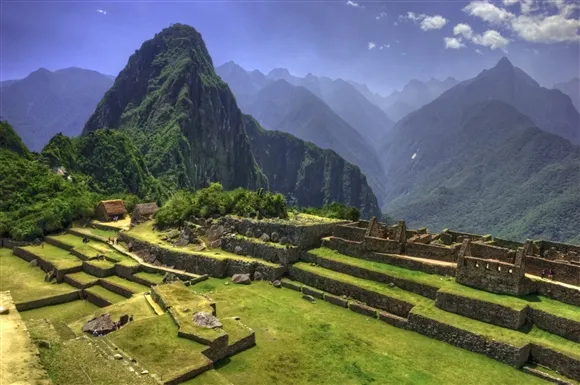
Machu Picchu stands among the world’s most iconic archaeological sites, a testament to Incan ingenuity perched dramatically on a mountain ridge above the Sacred Valley. This 15th-century citadel, hidden from Spanish conquistadors and rediscovered by Hiram Bingham in 1911, draws nearly a million visitors annually who come to witness its precision stonework, terraced slopes, and breathtaking Andean setting. Planning Machu Picchu travel requires understanding entry regulations, transportation options, acclimatization needs, and timing considerations that determine whether your visit becomes a magical experience or a disappointing struggle.
Understanding Machu Picchu’s Location and Access
Machu Picchu sits at 2,430 meters elevation in the Cusco Region of Peru, approximately 80 kilometers northwest of Cusco city. The site occupies a mountain ridge between the peaks of Huayna Picchu and Machu Picchu Mountain, with the Urubamba River flowing in a horseshoe bend 400 meters below.
The nearest settlement is Aguas Calientes, officially named Machu Picchu Pueblo, a small town that exists primarily to service tourists visiting the ruins. Reaching Machu Picchu requires getting to Aguas Calientes first, then taking buses up the winding road to the archaeological site entrance.
Most travelers base themselves in Cusco, the former Incan capital at 3,400 meters elevation, using it as a launching point for Sacred Valley exploration and Machu Picchu visits. The dramatic elevation difference between Cusco and Machu Picchu means the ruins sit at a more comfortable altitude than the city, though acclimatization to Cusco’s height remains important for overall Peru travel.
Entry Tickets and Regulations
Peru’s Ministry of Culture strictly regulates Machu Picchu access to protect the fragile site from excessive tourism impact. Understanding current rules proves essential for successful visits.
Ticket Types and Circuits
As of recent regulations, visitors must choose specific entry circuits that determine which areas of the ruins you can access and in what order. The site no longer allows free wandering throughout all areas as in past years.
Circuit 1 provides access to upper terraces with classic postcard views of the citadel, though it doesn’t include the iconic Guard House viewpoint that produces the most famous photographs. Circuit 2 offers the most comprehensive experience, including the Guard House viewpoint, upper and lower agricultural terraces, and most major structures. Circuit 3 focuses on lower areas and provides closer access to certain temples.
Additional tickets allow climbing Huayna Picchu, the dramatic peak rising behind the ruins, or Machu Picchu Mountain, the larger peak opposite Huayna Picchu. Both require separate tickets with limited daily capacity and specific entry time slots.
Booking Requirements
Tickets must be purchased in advance, as same-day purchases are no longer available. During peak season (May through September), tickets often sell out weeks in advance, particularly for popular morning entry times and Huayna Picchu climbs.
Book through the official government website or authorized travel agencies. Be cautious of third-party sites charging inflated prices or claiming to offer sold-out dates through questionable means.
Entry times are staggered throughout the day starting from 6 AM, with the last entry at 2 PM. You must enter within one hour of your designated time slot and can remain for four hours from your entry time, though enforcement of the four-hour limit varies.
Required Guides
Current regulations require all visitors to enter with certified guides. You can hire private guides at the entrance for approximately $20 to $30 for groups, or join small group tours. Many organized tours include guide services in package pricing.
The guide requirement aims to improve visitor education about site significance while managing crowd flow. Guides provide 2 to 2.5 hour tours explaining Incan history, architectural features, and astronomical alignments incorporated into the citadel’s design.
Getting to Machu Picchu
Several transportation routes reach Machu Picchu, each offering different experiences, costs, and time investments.
Train from Cusco or Ollantaytambo
The most common approach involves train travel from either Cusco’s Poroy station or Ollantaytambo in the Sacred Valley to Aguas Calientes. Two companies operate this route: PeruRail and Inca Rail.
Trains from Ollantaytambo take approximately 1.5 to 2 hours and cost $60 to $95 for standard class one-way, with luxury options exceeding $150. The journey follows the Urubamba River through increasingly dramatic scenery as the valley narrows and vegetation becomes more tropical.
Trains from Cusco’s Poroy station take about 3.5 hours and cost slightly more. However, during the rainy season (November through March), Poroy station often closes, making Ollantaytambo the only train departure point.
The Vistadome trains offer larger windows, snacks, and onboard entertainment at moderate price premiums. The luxury Hiram Bingham train provides gourmet dining, cocktails, and observation cars at costs exceeding $400 one-way, marketed toward special occasions and luxury travelers.
Trekking Routes
Multiple hiking trails reach Machu Picchu, offering immersive experiences combining Andean scenery, archaeological sites, and physical challenges.
The classic Inca Trail requires four days and three nights, following ancient Incan pathways through cloud forests and past numerous ruins before arriving at Machu Picchu through the Sun Gate at sunrise. This iconic trek requires permits booked months in advance, as only 500 people (including porters and guides) can start the trail daily. Costs range from $500 to $800 depending on service level.
Alternative treks include the five-day Salkantay Trek through high mountain passes and diverse ecosystems, the four-day Lares Trek focused on Andean communities and culture, and the two-day Short Inca Trail combining one day of hiking with train travel.
These alternatives don’t require permits as far in advance and often cost less than the classic Inca Trail while still providing excellent trekking experiences and alternative perspectives on the region.
Budget Walking and Bus Route
Budget-conscious travelers can walk from Ollantaytambo to Aguas Calientes along the train tracks, a route taking 2 to 3 hours. While this saves significant money, it involves walking on potentially active tracks, negotiating with guards who officially prohibit the route, and dealing with uneven terrain.
From Aguas Calientes, buses shuttle visitors up the 8-kilometer switchback road to Machu Picchu’s entrance, taking about 25 minutes. Buses cost $12 one-way or $24 round-trip. The exceptionally fit can hike up the steep trail in 1.5 to 2 hours, saving money but arriving exhausted before even entering the ruins.
Timing Your Machu Picchu Visit
Seasonal Considerations
Peru’s dry season from May through September brings the most reliable weather with clear skies, minimal rain, and excellent visibility. These months see peak tourist numbers, higher prices, and the need for advance bookings. June through August represent the absolute peak.
The shoulder seasons of April and October offer reasonable weather with fewer crowds and slightly lower costs, though afternoon rain showers become more common.
The rainy season from November through March brings frequent precipitation, particularly heavy in January and February when some trails close and train services may be disrupted. However, this period sees dramatically fewer tourists, lower prices, and lush green landscapes. Morning visits often enjoy clear skies before afternoon clouds and rain arrive.
Time of Day
Early morning entry starting at 6 AM provides the best chance of experiencing Machu Picchu with fewer crowds, potentially seeing sunrise over the ruins, and enjoying clearer weather before afternoon clouds roll in. The soft morning light creates excellent photography conditions.
Late afternoon entries starting at noon or 2 PM encounter fewer tourists as day-trippers depart but risk afternoon cloud cover obscuring views. Those staying overnight in Aguas Calientes can visit across two days, seeing the site in different light and weather conditions.
Acclimatization and Altitude Considerations
Cusco’s 3,400-meter elevation causes altitude sickness symptoms including headaches, nausea, shortness of breath, and fatigue in many visitors. Machu Picchu itself sits lower at 2,430 meters, but most travelers spend time in Cusco before and after their visit.
Arrive in Cusco at least two days before attempting Machu Picchu or any strenuous activities. Spend initial days with light activities, stay hydrated, avoid alcohol, and consider coca tea which locals swear helps altitude adjustment (though scientific evidence remains limited).
Some travelers fly first to Lima at sea level, then travel to lower Sacred Valley towns like Ollantaytambo or Urubamba at 2,800 meters before ascending to Cusco. This gradual elevation gain helps bodies adjust more comfortably.
Altitude sickness medication like Diamox can help, though consult your doctor before travel. Symptoms typically improve after 24 to 48 hours at altitude. If severe symptoms develop, descending to lower elevations brings rapid relief.
Where to Stay
Aguas Calientes
Staying in Aguas Calientes allows earliest Machu Picchu access, visiting across multiple days, and avoiding long train journeys on visit days. The town offers accommodations ranging from backpacker hostels at $15 to $30 nightly to upscale hotels like Inkaterra Machu Picchu Pueblo Hotel and Sumaq Machu Picchu Hotel at $300 to $600 per night.
Mid-range options from $60 to $120 provide comfortable rooms with hot showers, important after wet weather or strenuous hiking. The town itself lacks charm, existing purely for tourism, but offers restaurants, basic shopping, and hot springs.
Ollantaytambo and Sacred Valley
Many travelers prefer staying in Ollantaytambo or other Sacred Valley towns, taking early morning trains to Aguas Calientes for day visits. This approach provides more pleasant accommodation settings, lower elevations for easier acclimatization, and opportunities to explore Sacred Valley attractions.
Cusco
Basing in Cusco provides the widest accommodation and dining choices with better value than Aguas Calientes. However, it requires very early departures for Machu Picchu day trips, with 4 or 5 AM wake-ups to catch trains from Ollantaytambo, making for exhausting 14 to 16-hour days.
What to Bring
Essential Items
Passport is mandatory for entry and must match the name on your ticket. Guards check identification at multiple points. Bring your original entrance ticket, either printed or on your phone.
Water and snacks are essential, as no food or drink is sold inside the ruins. Reusable water bottles reduce plastic waste. Bring more water than you think necessary, as high-altitude activity increases dehydration.
Rain gear proves valuable year-round, as weather changes rapidly in mountain environments. Lightweight rain jackets and waterproof pack covers protect against sudden downpours.
Sun protection including high-SPF sunscreen, sunglasses, and hats prevents severe sunburn at high altitude where UV radiation intensifies. The equatorial sun combined with elevation creates powerful exposure.
Comfortable walking shoes with good traction are mandatory, as stone pathways can be uneven and slippery, especially after rain. The site involves considerable walking and stair climbing.
Prohibited Items
Large backpacks exceeding 40 liters are prohibited and must be left at entrance storage facilities. Walking sticks without rubber tips are banned to prevent ground damage. Drones, tripods, and professional photography equipment require special permits. Food beyond small snacks is officially prohibited, though enforcement varies.
Extending Your Machu Picchu Travel
Sacred Valley Exploration
The Sacred Valley between Cusco and Machu Picchu contains numerous attractions deserving dedicated time. Ollantaytambo preserves impressive Incan ruins and a living traditional town. Pisac features extensive archaeological sites and a famous artisan market. Moray displays mysterious circular agricultural terraces, while Maras salt mines create stunning geometric patterns cascading down mountainsides.
Dedicating two to three days to Sacred Valley exploration before or after Machu Picchu creates more balanced itineraries and aids altitude acclimatization.
Cusco City
Peru’s ancient Incan capital deserves at least two full days for exploring Sacsayhuamán fortress, wandering the San Blas artistic quarter, visiting the Plaza de Armas and Cathedral, and experiencing museums showcasing pre-Columbian and colonial history.
Rainbow Mountain and Other Treks
Vinicunca Rainbow Mountain has exploded in popularity, showcasing naturally colored mineral strata creating striped mountainsides. The strenuous day hike reaches 5,200 meters elevation, requiring good acclimatization.
Other options include Humantay Lake’s turquoise waters beneath glacial peaks or multi-day treks through remote Andean regions.
Responsible Tourism
Machu Picchu faces significant preservation challenges from tourism pressure, climate change, and natural erosion. Visitors bear responsibility for minimizing impact.
Stay on marked pathways, never touching or climbing on stone walls. Carry out all trash and leftover food. Respect closure of certain areas deemed too fragile for continued access. Follow guide instructions and site regulations even when enforcement seems lax.
Choose tour operators demonstrating environmental and cultural responsibility through fair porter treatment, waste management, and community engagement. The cheapest tours often achieve low prices through exploitative labor practices and corner-cutting that harms preservation efforts.
Conclusion: Key Takeaways
Machu Picchu travel rewards careful planning with one of the world’s most extraordinary archaeological and scenic experiences. Success requires understanding entry regulations, booking tickets well in advance, and timing visits appropriately for weather and crowds.
Allocate adequate time for proper altitude acclimatization in Cusco or Sacred Valley before visiting Machu Picchu. Rushing directly from sea level to high altitude activities invites miserable experiences or serious health issues.
Book train tickets early, especially during peak season when popular departures sell out weeks ahead. Consider staying overnight in Aguas Calientes for more relaxed scheduling and the possibility of multiple site visits.
Choose entry circuits and additional mountain climbs based on your interests and fitness levels. Circuit 2 provides the most comprehensive experience for first-time visitors seeking classic viewpoints and major structures.
Pack appropriately for variable weather conditions, bringing layers, rain protection, sun defense, water, and snacks. Comfortable footwear makes an enormous difference when navigating uneven stone pathways for hours.
Consider alternative treks like Salkantay or Lares if the classic Inca Trail is fully booked or beyond your budget. These routes offer excellent trekking experiences with different perspectives on Andean landscapes and culture.
Extend your trip beyond just Machu Picchu to explore Cusco’s rich history, Sacred Valley’s archaeological sites, and other regional attractions. Peru offers extraordinary depth beyond its most famous ruin.
Approach your visit with realistic expectations. Machu Picchu is spectacular but also crowded, regulated, and commercial. The magic remains, but it coexists with tourism infrastructure and fellow visitors. Early entries and shoulder season timing help minimize these factors.
Practice responsible tourism through environmental awareness, cultural respect, and supporting ethical tour operators. The preservation of Machu Picchu for future generations depends on current visitors minimizing their impact while appreciating the privilege of experiencing this wonder of the ancient world.
