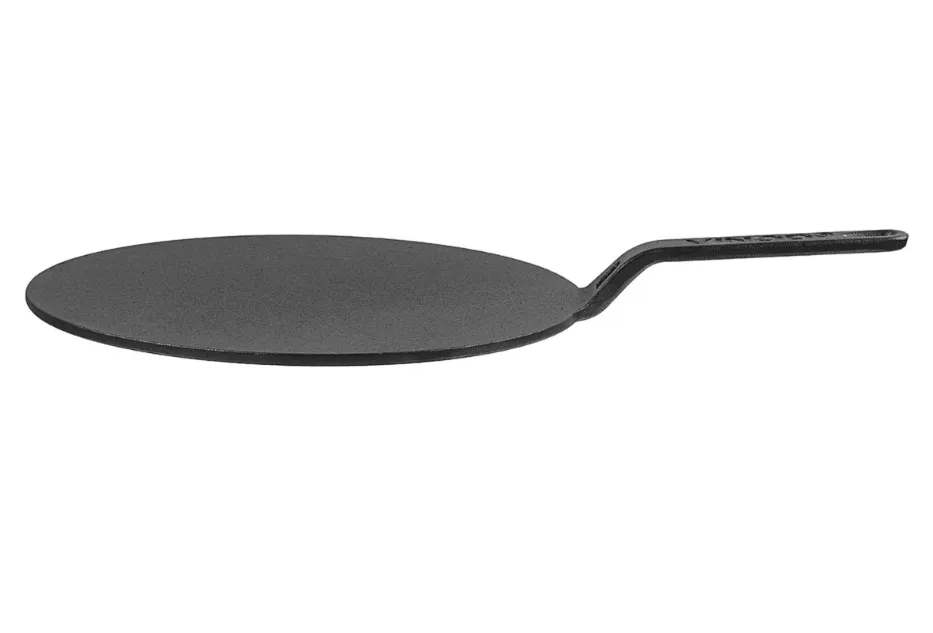
Cooking trends come and go, but some kitchen essentials remain timeless. The Cast Iron Pan is one such classic that has earned a place in kitchens around the world. Loved by professional chefs and home cooks alike, cast iron cookware is known for its exceptional durability, natural non-stick properties when properly seasoned, and outstanding heat retention. Yet, despite its popularity, many people still have questions about how to use, clean, and maintain it.
Whether you’re buying your first Cast Iron Pan or looking to improve your cooking experience, understanding the basics can help you make the most of this versatile cookware. Many shoppers also compare it with a stainless steel pan, wondering which option better suits their cooking style. This FAQ guide answers the most common questions to help you cook confidently and care for your pan properly.
What Is a Cast Iron Pan?
A Cast Iron Pan is cookware made by pouring molten iron into molds, creating a thick, durable pan capable of withstanding extremely high temperatures. Unlike many modern cookware options, cast iron improves with age when maintained correctly.
These pans are ideal for:
-
Frying
-
Searing
-
Baking
-
Roasting
-
Grilling
-
Slow cooking
Many families pass cast iron cookware down through generations because of its remarkable lifespan.
Why Is a Cast Iron Pan So Popular?
A Cast Iron Pan has remained popular because it offers several unique advantages:
-
Excellent heat retention
-
Even cooking performance
-
Long-lasting durability
-
Naturally develops a non-stick surface
-
Suitable for oven use
-
Compatible with nearly all cooktops
With proper care, one pan can easily last for decades.
What Does “Seasoning” Mean?
Seasoning refers to applying a thin layer of cooking oil and heating the pan until the oil bonds with the surface.
Seasoning helps:
-
Prevent rust
-
Improve non-stick performance
-
Protect the cooking surface
-
Enhance cooking results
Contrary to popular belief, seasoning doesn’t involve adding spices or flavorings—it simply creates a protective coating.
How Often Should I Season My Cast Iron Pan?
The frequency depends on how often you use it.
Generally:
-
New pans may need several seasoning sessions.
-
Frequently used pans require occasional touch-ups.
-
If food starts sticking, it’s time to reseason.
-
If the surface appears dull or rusty, reseason immediately.
Regular cooking with small amounts of oil also helps maintain the seasoning naturally.
Can I Cook Acidic Foods in Cast Iron?
Many people wonder whether tomatoes, vinegar, or citrus-based dishes are safe.
A well-seasoned Cast Iron Pan can handle short cooking times with acidic ingredients. However, cooking highly acidic foods for extended periods may weaken the seasoning and slightly affect the food’s flavor.
For recipes involving long simmering times, a stainless steel pan is often a better choice.
Is Cast Iron Better Than a Stainless Steel Pan?
Both cookware types have unique strengths.
Cast Iron Pan
Advantages:
-
Superior heat retention
-
Excellent for searing
-
Naturally non-stick after seasoning
-
Extremely durable
-
Oven safe
Disadvantages:
-
Heavy
-
Requires seasoning
-
Can rust if neglected
Stainless Steel Pan
Advantages:
-
Rust resistant
-
Low maintenance
-
Lightweight options available
-
Ideal for acidic foods
-
Easy to clean
Disadvantages:
-
Food may stick without proper technique
-
Doesn’t retain heat as long as cast iron
Many experienced cooks own both because each serves different cooking purposes.
Can I Wash a Cast Iron Pan with Soap?
This is one of the biggest myths surrounding cast iron cookware.
Modern mild dish soap is generally safe for a properly seasoned Cast Iron Pan, provided you don’t soak it for long periods or scrub aggressively with harsh cleaners.
After washing:
-
Dry the pan immediately.
-
Apply a light coating of oil.
-
Store it in a dry location.
These simple steps help preserve the seasoning.
Why Does My Cast Iron Pan Rust?
Rust usually develops because of moisture exposure.
Common causes include:
-
Air drying
-
Storing while damp
-
Leaving it soaking in water
-
Damaged seasoning
Fortunately, light rust can usually be removed with gentle scrubbing followed by reseasoning.
Can I Use Metal Utensils?
Yes.
Unlike non-stick cookware, a Cast Iron Pan can handle metal spatulas, spoons, and turners without significant damage.
Many cooks actually prefer metal spatulas because they help smooth and strengthen the seasoning over time.
Can I Put Cast Iron in the Oven?
Absolutely.
Most cast iron cookware is oven-safe and can tolerate extremely high temperatures.
This makes it perfect for:
-
Cornbread
-
Pizza
-
Roasted vegetables
-
Skillet cookies
-
Baked pasta
-
Steak finishing
Always use oven mitts because the handles become extremely hot.
Why Is Food Sticking?
Food sticking usually happens because:
-
The pan isn’t fully seasoned.
-
The pan wasn’t preheated.
-
Too little cooking oil was used.
-
Food was moved too early.
With experience, you’ll learn how preheating and proper seasoning create a naturally smooth cooking surface.
Does Cast Iron Add Iron to Food?
Yes, but only in small amounts.
Cooking in a Cast Iron Pan can transfer trace amounts of iron into food, particularly acidic dishes.
For many people, this is harmless and may even provide a slight dietary benefit.
Can I Cook Eggs in Cast Iron?
Yes.
Once properly seasoned, a Cast Iron Pan can cook eggs beautifully.
For best results:
-
Preheat the pan.
-
Use butter or oil.
-
Cook over medium heat.
-
Avoid rushing the process.
A well-maintained pan can produce surprisingly non-stick results.
How Long Does a Cast Iron Pan Last?
One of the biggest advantages of cast iron is its lifespan.
Unlike many modern cookware options, a quality Cast Iron Pan can easily last 50 years or more with proper maintenance.
Some vintage cast iron cookware has remained in excellent condition for well over a century.
Should I Buy Cast Iron or Stainless Steel?
The answer depends on your cooking style.
Choose a Cast Iron Pan if you enjoy:
-
High-heat searing
-
Baking
-
Traditional cooking
-
Long-lasting cookware
-
Excellent heat retention
Choose a stainless steel pan if you prefer:
-
Low maintenance
-
Faster cleanup
-
Cooking acidic recipes
-
Lightweight cookware
-
Modern kitchen convenience
Many kitchens benefit from having both options available.
Final Thoughts
A Cast Iron Pan is one of the most dependable pieces of cookware you can own. Its ability to retain heat, develop a natural non-stick surface, and withstand years of daily cooking makes it a worthwhile investment for beginners and experienced cooks alike. While it requires a little extra care compared to other cookware, the rewards are well worth the effort.
When deciding between a Cast Iron Pan and a stainless steel pan, consider the types of meals you prepare most often. Cast iron excels at searing, baking, and heat retention, while stainless steel offers convenience, versatility, and easier maintenance. Ultimately, understanding the strengths of each will help you build a kitchen equipped for every recipe and cooking challenge.