Introduction
Mount Toubkal trekking is one of the most exciting outdoor adventures in Morocco, attracting hikers who want to experience spectacular mountain scenery, challenging trails, and the beauty of traditional Amazigh culture. Located in the High Atlas Mountains, Mount Toubkal reaches approximately 4,167 meters above sea level, making it the highest peak in North Africa. Its impressive elevation, rugged terrain, and panoramic summit views make it a memorable destination for adventure travelers.
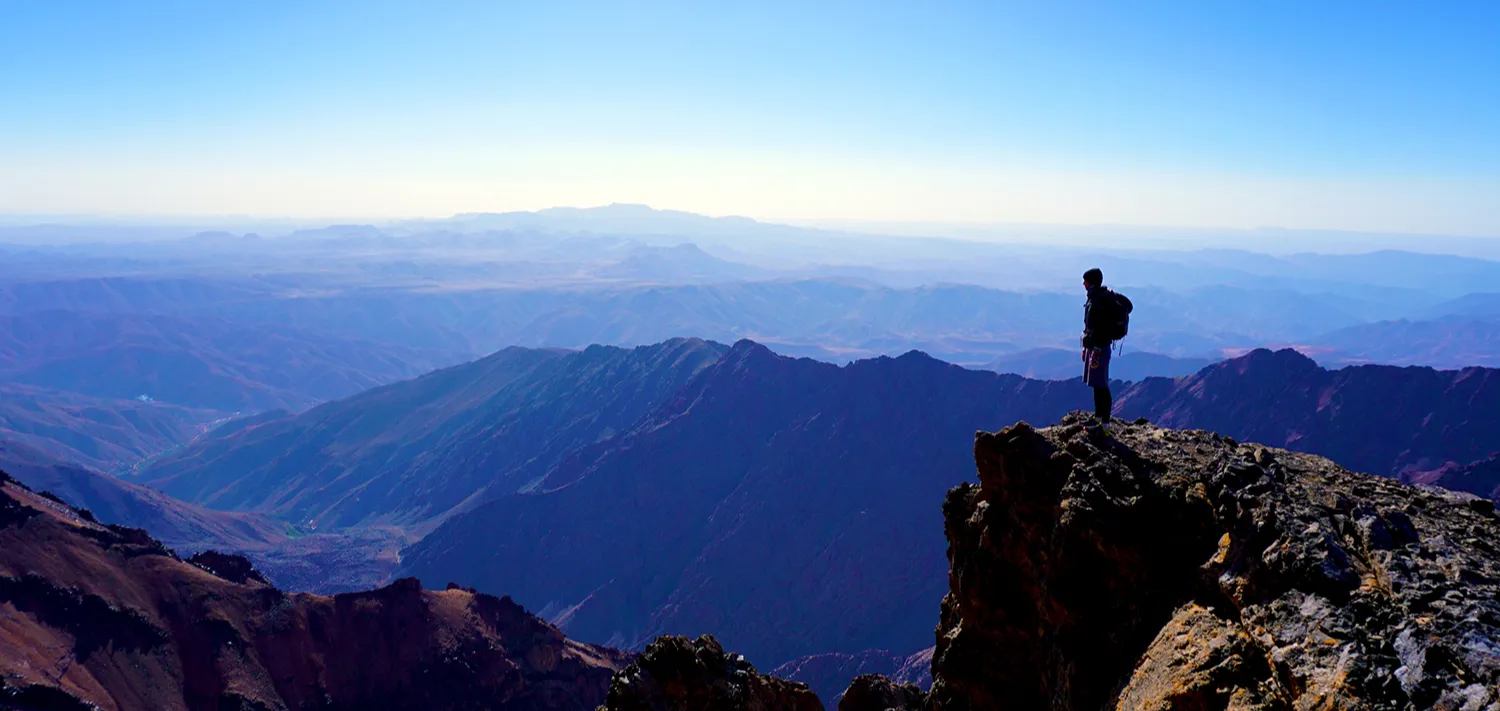
The journey to Mount Toubkal offers much more than a mountain summit. Along the way, trekkers pass through traditional villages, follow rocky mountain paths, and discover landscapes that change dramatically with altitude. From the peaceful surroundings of Imlil to the high-altitude terrain near the summit, every stage provides a different perspective on Morocco’s natural beauty.
Whether you are an experienced hiker or an enthusiastic beginner with good fitness, understanding the route, preparation requirements, and seasonal conditions can help you plan a rewarding trekking experience.
Why Choose Mount Toubkal for Trekking?
Mount Toubkal offers a distinctive combination of physical challenge, natural beauty, and cultural discovery. Unlike destinations where reaching the summit requires advanced technical climbing, the standard summer route is generally a demanding hike rather than a technical climb. However, steep paths, high altitude, and changing weather mean that proper preparation remains essential.
One of the main attractions is the scenery. Trekkers can enjoy sweeping views of mountain ridges, deep valleys, and distant peaks. On clear days, the summit provides an extraordinary sense of scale, revealing the rugged landscape of the High Atlas.
The trek also provides an opportunity to experience rural Morocco. Local communities have adapted to mountain life over generations, and visitors may encounter traditional homes, terraced fields, and welcoming mountain guesthouses. These cultural experiences add depth to the journey and make the trek more meaningful than a simple physical challenge.
Starting Your Journey from Imlil
Most Mount Toubkal trekking itineraries begin in Imlil, a mountain village located approximately 60–65 kilometers south of Marrakech by road. Imlil serves as a convenient base for organizing guides, arranging accommodation, and preparing for the ascent.
After arriving, trekkers typically meet their guide, check their equipment, and review the planned route. Some itineraries include a short walk around nearby villages, allowing visitors to adjust to the mountain environment before beginning the main trek.
From Imlil, the trail generally continues toward the shrine area of Sidi Chamharouch before climbing higher into the mountains. The landscape gradually becomes more rugged, with rocky paths and increasingly expansive views.
Spending time in Imlil before the ascent can make the experience more relaxed. It also gives travelers an opportunity to explore local traditions, enjoy Moroccan food, and prepare for the physical demands ahead.
What to Expect on the Mount Toubkal Trek
The classic Mount Toubkal trek is commonly completed over two days, although three-day itineraries allow additional time for acclimatization and rest.
Day One: Imlil to the Mountain Refuge
The first day usually involves several hours of uphill walking from Imlil toward the mountain refuge. The route passes through villages and along established mountain paths before entering higher, rockier terrain.
The steady ascent can be physically demanding, particularly for hikers who are not accustomed to walking uphill for extended periods. Regular breaks, a comfortable pace, and adequate hydration help make the journey more manageable.
Many trekkers spend the night at a mountain refuge before attempting the summit. The overnight stay provides time to rest and prepare for an early start the following morning. Temperatures can be considerably colder at this elevation than in Marrakech, so warm clothing is important even during warmer months.
Day Two: Summit Ascent and Return
The summit attempt commonly begins before sunrise. Starting early provides more time to complete the ascent and descend in daylight, although the precise schedule depends on weather, fitness, and the guide’s assessment.
The final climb follows steep, rocky terrain. Higher elevation can make ordinary physical effort feel more difficult, so trekkers should move steadily and avoid rushing.
Reaching the summit is a rewarding moment, with broad views across the High Atlas Mountains and surrounding landscapes when visibility is good. After spending some time at the top, hikers descend toward the refuge and continue back toward Imlil according to their itinerary.
Although the descent may appear easier, tired legs and loose stones can increase the risk of slipping. Maintaining concentration throughout the return journey is essential.
Best Time for Mount Toubkal Trekking
The best time to trek Mount Toubkal depends on the experience you want and your level of mountain expertise.
Spring and autumn are popular periods for trekking because daytime temperatures are often more comfortable than in midsummer. April, May, September, and October can offer rewarding conditions, although weather varies from year to year.
Summer is generally the most straightforward season for the standard non-snow route. Even then, temperatures can drop significantly at higher elevations, especially before sunrise.
Winter transforms Mount Toubkal into a snow-covered mountain environment. Ice, snow, and freezing temperatures can make the route substantially more challenging. Crampons, an ice axe, suitable winter clothing, and the ability to use this equipment may be necessary, depending on conditions.
Before departure, check the forecast and current trail conditions with a qualified local guide. Seasonal descriptions are useful for planning, but actual mountain conditions should determine the final decision.
Fitness and Preparation for the Trek
Mount Toubkal does not require every trekker to be an elite athlete, but a reasonable level of fitness is important. The ascent involves prolonged uphill walking, uneven ground, and a demanding descent.
Preparing with regular walks, hill training, stair climbing, and cardiovascular exercise can help build endurance. Longer training walks with a backpack are particularly useful because they simulate some of the physical demands of trekking.
Suitable hiking boots with reliable grip are essential. Trekkers should also bring layered clothing, a warm jacket, a waterproof outer layer, sun protection, a headlamp for the early start, and enough water and snacks for the route.
A small first-aid kit and personal medications, where applicable, can also be useful. Your guide or tour operator should provide a detailed equipment list based on the season and current conditions.
Understanding Altitude and Mountain Safety
At approximately 4,167 meters, Mount Toubkal is high enough for altitude-related illness to become a concern. Symptoms may include headache, nausea, dizziness, unusual fatigue, or reduced appetite. These symptoms should never be ignored.
Moving at a steady pace and allowing time for acclimatization can help reduce risk, but no preparation guarantees that altitude illness will not occur. If symptoms develop or worsen, stop ascending and seek advice from your guide. Severe symptoms require prompt descent and urgent medical assistance.
Weather can also change quickly in the High Atlas. Strong winds, poor visibility, cold temperatures, and snow can affect route safety. A summit attempt should never take priority over the judgment of an experienced guide.
Travelers should confirm current local requirements for guides and trekking arrangements before departure. Choosing a reputable operator and following safety instructions helps create a more responsible mountain experience.
Experience Local Culture Along the Route
Mount Toubkal trekking offers opportunities to discover the traditions of the Amazigh communities who live in the surrounding mountains. Villages along the route reflect a way of life shaped by the landscape, agriculture, and seasonal weather.
Trekkers may encounter local guesthouses, traditional meals, and opportunities to enjoy Moroccan mint tea. These experiences provide a welcome contrast to the physical challenge of the climb.
Respect for local communities is important. Ask permission before photographing residents, dress considerately in villages, and avoid leaving rubbish along the trail. Supporting local guides and accommodation providers can also help ensure that tourism contributes to the regional economy.
Conclusion
Mount Toubkal trekking is a rewarding adventure that combines physical challenge, dramatic mountain scenery, and cultural discovery. From the village trails around Imlil to the rocky ascent toward North Africa’s highest summit, the journey provides a memorable introduction to the High Atlas Mountains.
Successful preparation involves choosing the right season, building sufficient fitness, carrying appropriate equipment, and taking altitude and weather seriously. With a suitable itinerary and experienced local guidance, trekkers can enjoy the journey while respecting the mountain environment and communities that make this region special.
Frequently Asked Questions (FAQs)
1. How high is Mount Toubkal?
Mount Toubkal stands approximately 4,167 meters above sea level, making it the highest mountain in North Africa.
2. How many days are needed to trek Mount Toubkal?
The standard trek is commonly completed in two days, including an overnight stay at a mountain refuge. A three-day itinerary may provide more time for acclimatization and a less hurried experience.
3. Is Mount Toubkal suitable for beginners?
It can be achievable for beginners who have good fitness and prepare properly. However, the route is physically demanding, and altitude, weather, and rocky terrain should not be underestimated.
4. What is the best month to trek Mount Toubkal?
April, May, September, and October are often popular choices for trekking. Summer can also be suitable for the standard non-snow route, while winter usually requires additional equipment and mountain experience.
5. Do I need a guide for Mount Toubkal?
A qualified local guide is strongly recommended. Check current Moroccan regulations and local requirements before your trip, as guiding rules and access arrangements may change.
6. What should I pack for Mount Toubkal trekking?
Essential items include sturdy hiking boots, layered clothing, a warm jacket, waterproof protection, sun protection, a headlamp, water, snacks, and a small first-aid kit. Winter conditions may require technical mountaineering equipment.
7. Can I trek Mount Toubkal from Marrakech?
Yes. Many trekking trips begin with a transfer from Marrakech to Imlil. From there, hikers start the mountain journey according to their chosen itinerary.
8. Is Mount Toubkal covered in snow?
Snow is common during winter and may remain at higher elevations into spring, depending on conditions. Always check current trail and weather reports before attempting the ascent.
9. Is altitude sickness a risk on Mount Toubkal?
Yes. The summit elevation can cause altitude-related illness. Ascend carefully, recognize symptoms, and stop climbing and descend if symptoms develop or worsen.
10. Is Mount Toubkal trekking worth it?
For travelers who enjoy mountain scenery and outdoor challenges, the trek can be highly rewarding. It combines panoramic views, a memorable summit experience, and opportunities to discover the culture of Morocco’s High Atlas region.
Final Thoughts
Mount Toubkal trekking is an opportunity to experience Morocco from a different perspective, where every uphill step brings new views and a stronger connection with the mountain landscape. With realistic expectations, careful preparation, and respect for local guidance, the journey can become one of the most memorable parts of a Moroccan adventure.