Winter in the Yukon does not ask you to sit still. The snow squeaks under your boots, sled dogs howl with excitement before a run, and after dark the sky may start to glow green above a frozen lake. If you want to experience all of that in one trip, a multi-activity program in winter Yukon (6 days) gives you the time and structure to do it properly.
This guide explains what a six-day program usually looks like, when to travel, what to pack, and how to choose an operator you can trust.
Why Choose a Multi-Activity Program in Winter Yukon?
Some travelers like to plan every outing themselves. In the Yukon, that gets complicated fast. Distances are long, daylight is short in midwinter, and many experiences need guides, special equipment, or advance reservations. A packaged program handles those details so you can focus on the adventure.
Six days is a sweet spot. It is long enough to settle into the cold, try several very different activities, and still have room for a cloudy night without panic. It is also short enough to fit into a normal vacation allowance. Because you move at an unhurried pace, you get to enjoy each experience rather than rushing through a checklist.
The Best Time to Go
Winter activities generally run from late November through March, though exact dates depend on snow cover and each operator’s season.
December and January. This is the coldest and darkest stretch. Daylight in Whitehorse shrinks to just a few hours around the solstice, but the long nights are ideal for northern lights. Expect deep cold, often well below -20°C and sometimes much colder.
February. Many travelers call this the sweet spot. Days are noticeably longer, snow is reliable, and the aurora is still active after dark.
March. Brighter days, slightly gentler temperatures, and plenty of sunshine on fresh snow. It suits people who want winter fun without the harshest cold, and aurora sightings remain possible in the evenings.
A Sample Six-Day Itinerary
Programs differ from one operator to the next, but most follow a rhythm like this one.
Day 1: Arrival in Whitehorse. Land, check in, and collect any rental winter clothing. A short orientation and a warm dinner set the tone. Go to bed early, because the next few days are active.
Day 2: Dog sledding. Meeting a team of huskies is often the highlight of the whole trip. You learn the basics, ride or drive a sled along quiet trails, and notice how the dogs fall silent the moment they start running. It is peaceful in a way that is hard to describe until you try it.
Day 3: Snowshoeing and hot springs. Spend the morning on snowshoes through frosty boreal forest, then soak in a natural hot spring while steam rises into the cold air. Takhini Hot Springs, a short drive from Whitehorse, is a well-known choice for this kind of outing.
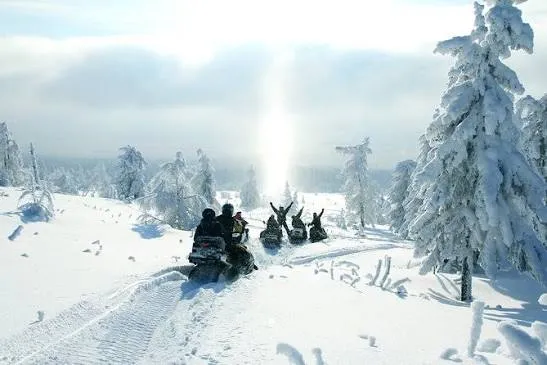
Day 4: Snowmobiling or fat biking. Choose between a faster or a more athletic day. Snowmobile guides lead you across open terrain, while fat-bike routes follow packed trails on oversized tires. Many programs add ice fishing or a relaxed afternoon by a wood stove.
Day 5: Wildlife and aurora night. Visit a wildlife preserve or try cross-country skiing during the day. After dinner, head to a dark-sky location with a heated shelter for northern lights viewing. Bring patience, a warm drink, and a good attitude.
Day 6: Departure. Enjoy a slow breakfast, pick up a few souvenirs, and transfer to the airport.
Good operators swap days around to match weather and aurora forecasts, so flexibility is a strength, not a flaw.
What Is Usually Included
A well-built multi-activity program in winter Yukon (6 days) typically covers:
-
Accommodation in a hotel, lodge, or cabin
-
Airport and local transfers
-
Guided activities led by trained local guides
-
Winter clothing rental, such as parkas, boots, and mittens
-
Some meals, hot drinks, and snacks
-
Safety equipment for each activity
Always ask what is not included. Flights, travel insurance, some meals, gratuities, and personal gear are commonly extra.
What to Wear and Pack
The secret to enjoying Yukon winter is layering. Start with a wool or synthetic base layer, never cotton. Add a fleece or insulated mid-layer, then finish with a windproof, insulated outer shell.
Your feet and hands need special attention. Choose boots rated for very low temperatures, wear wool socks, and use insulated mittens instead of gloves, since mittens keep fingers warmer. A hat that covers your ears, a neck gaiter, and sunglasses for snow glare complete the kit. Pack hand and toe warmers, lip balm, and moisturizer, because the air is extremely dry.
If you plan to take photos, carry a spare battery in an inside pocket. Cold drains batteries faster than almost anything else.
How to Choose the Right Program
Not every package is built the same way. Before booking, compare these points:
-
Group size. Smaller groups mean more personal attention and more time with the dogs, the sleds, and the guides.
-
Honest expectations. Be wary of any company that guarantees the northern lights. Nature decides, not the brochure.
-
Flexible scheduling. Look for programs that can rearrange activities around the weather.
-
Guide qualifications. Wilderness first aid training and local knowledge matter in remote winter conditions.
-
Gear quality. Ask whether rental clothing is included and how recently it was updated.
-
Cancellation policy. Winter flights can be delayed, so a clear policy gives you peace of mind.
-
Activity level. Check that the pace and physical demands match your fitness.
Practical Tips for a Smoother Trip
-
Eat well and drink plenty of water. Your body burns extra energy keeping warm.
-
Book early if you want February or March, which are popular months.
-
Arrive a day early when possible, because winter travel delays happen.
-
Keep your phone warm and close to your body, or it may shut down in the cold.
-
Tell your guide immediately if fingers or toes feel numb. Early action prevents frostbite.
Frequently Asked Questions
Is a six-day winter program suitable for beginners?
Yes. Most activities are designed for first-timers, and guides give clear instructions. You do not need previous experience with sleds, snowshoes, or snowmobiles.
How cold does it really get?
Temperatures vary by month, but -20°C to -30°C is common in midwinter, and colder snaps occur. With proper layers, most people feel comfortable.
Will I see the northern lights?
There is a good chance, especially with multiple nights available, but nobody can promise it. Clear skies and solar activity decide the outcome.
Can children join?
Often yes, depending on the activity and the operator’s age rules. Ask before you book.
Final Thoughts
A multi-activity program in winter Yukon (6 days) is one of the most complete ways to experience the territory in its quietest, most dramatic season. You get dogs, snow, steam, stars, and a wide sky, all without the stress of coordinating each piece yourself. Dress warmly, stay flexible, and let the Yukon set the pace. Chances are you will head home with frosty photos, tired legs, and a very big smile.