Uganda is one of Africa’s most rewarding destinations for travelers who want to experience nature, wildlife, and adventure at their own pace. Known as the “Pearl of Africa,” the country combines beautiful landscapes, diverse wildlife, lush forests, lakes, mountains, and welcoming local communities. While traditional guided safaris remain popular, camping and self-drive safaris in Uganda offer a different kind of adventure, giving travelers greater freedom to explore the country according to their own schedule.
A self-drive safari allows you to choose your routes, stop whenever you want, and spend more time enjoying places that interest you. When combined with camping, it can also create a closer connection with Uganda’s natural environment. From wildlife-rich national parks to scenic countryside and remote camping locations, Uganda provides plenty of opportunities for an unforgettable road trip.
Why Choose a Self-Drive Safari in Uganda?
One of the biggest advantages of a self-drive safari is flexibility. Instead of following a fixed itinerary, you can decide when to leave, where to stop, and how long to spend at different destinations. This can be especially appealing to experienced travelers who enjoy independent exploration.
Uganda has a wide range of attractions spread across different regions. A self-drive journey can take you from Kampala toward national parks, forests, lakes, and mountain areas while allowing you to experience the changing scenery along the way.
Self-drive travel can also make your safari feel more personal. You are not simply moving from one attraction to another. You have the opportunity to enjoy small towns, local markets, viewpoints, villages, and unexpected roadside experiences.
However, independent travel requires preparation. Road conditions, navigation, wildlife regulations, weather, and distances between destinations should all be considered before starting your journey.
Choosing the Right Safari Vehicle
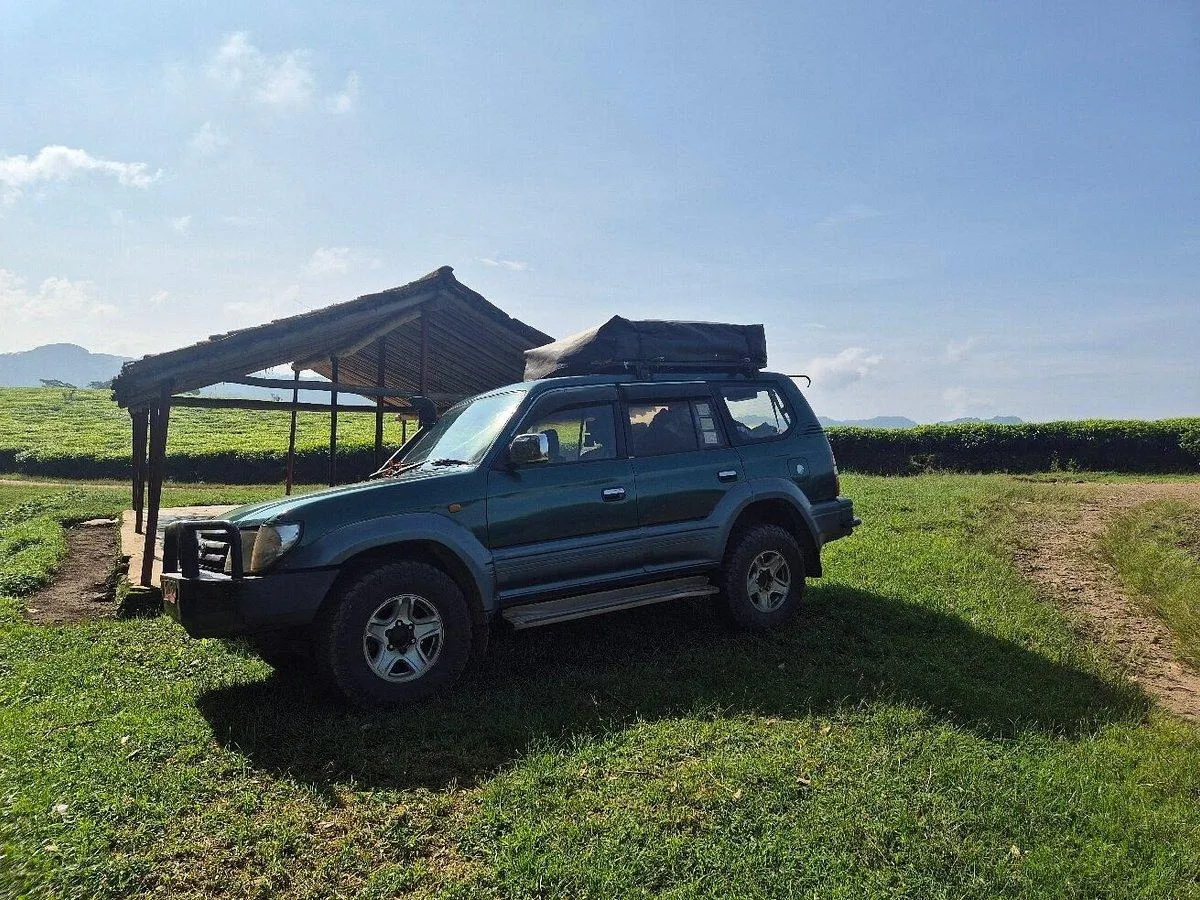
The vehicle is one of the most important parts of a successful self-drive safari. Uganda has both paved highways and rougher roads inside and around national parks, so a suitable safari vehicle is essential.
A 4×4 vehicle is generally the preferred choice for safari travel, particularly if your itinerary includes national parks, remote areas, or dirt roads. A vehicle with good ground clearance can make traveling over uneven surfaces much easier.
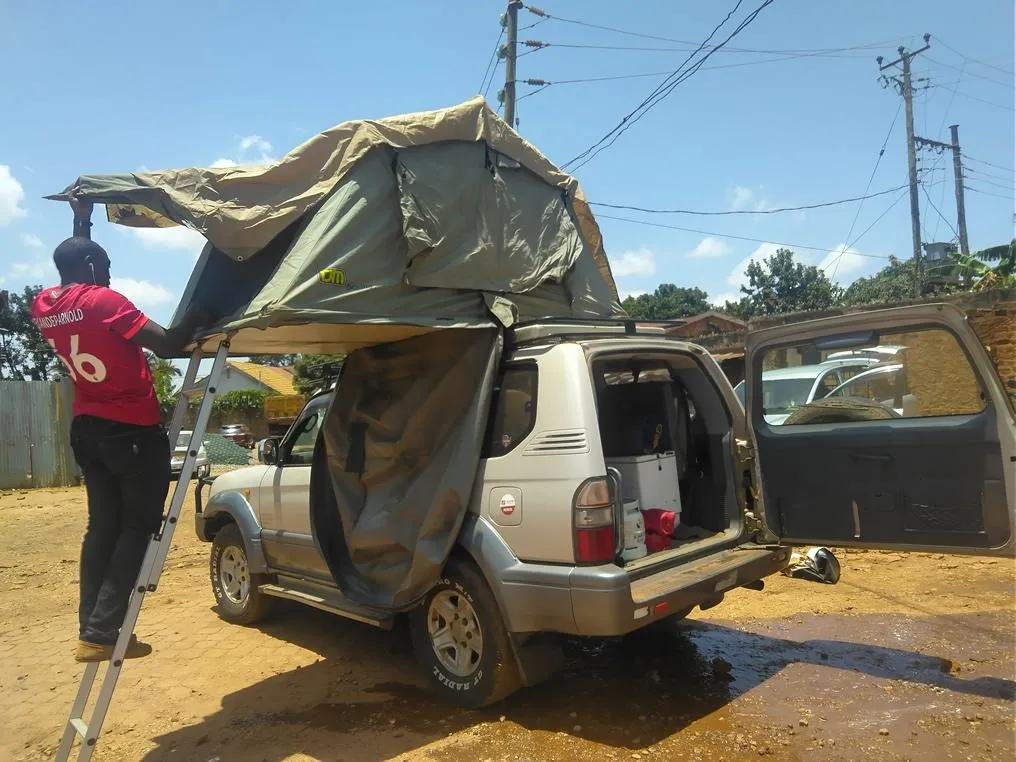
Many safari travelers choose vehicles equipped for camping. These may include rooftop tents, sleeping equipment, cooking facilities, storage space, and other camping essentials. A rooftop tent can be particularly convenient because it provides a comfortable sleeping area while keeping your campsite compact.
Before collecting your vehicle, inspect the tires, spare wheel, jack, tools, lights, brakes, and other important equipment. Make sure you understand how the vehicle works and ask the rental provider about emergency procedures.
Best Places for Camping and Self-Drive Safaris
Uganda offers several destinations suitable for combining wildlife viewing with an independent road trip. Your choice should depend on the animals you want to see, the landscapes you want to experience, and the amount of time available.
Murchison Falls National Park
Murchison Falls National Park is one of Uganda’s major safari destinations. The park is famous for the powerful Nile River flowing through a narrow gorge and creating the spectacular Murchison Falls.
Wildlife includes elephants, buffaloes, giraffes, lions, hippos, and numerous bird species. A self-drive itinerary can combine game drives with a boat trip on the Nile, providing opportunities to see wildlife from a different perspective.
Camping near the park can add another dimension to the experience. Waking up surrounded by natural sounds and spending the evening outdoors can make the safari particularly memorable.
Queen Elizabeth National Park
Queen Elizabeth National Park is another important destination for a Uganda self-drive adventure. The park features savannah plains, wetlands, forests, lakes, and impressive views of the Rwenzori Mountains.
The Ishasha sector is particularly famous for its tree-climbing lions. The park also provides opportunities to see elephants, buffaloes, hippos, antelopes, and many bird species.
Travelers can combine game drives with a boat cruise on the Kazinga Channel, which is known for its concentration of wildlife near the water.
Kidepo Valley National Park
For travelers looking for a more remote safari experience, Kidepo Valley National Park is an exciting option. Located in northeastern Uganda, the park is known for dramatic landscapes, open valleys, mountains, and diverse wildlife.
Because Kidepo is relatively remote, reaching it requires more planning and driving time than some other destinations. However, the remoteness is part of its appeal for adventurous travelers seeking a quieter safari experience.
A well-equipped 4×4 and adequate supplies are particularly important when planning a self-drive trip to this region.
Lake Mburo National Park
Lake Mburo National Park is a convenient option for travelers who want to include wildlife and camping without committing to very long driving distances.
The park is known for zebras, impalas, buffaloes, elands, hippos, and other wildlife. Its landscapes are different from the larger savannah parks, featuring rolling hills, wetlands, and open grasslands.
Its location can also make it a useful stop when building a longer road-trip itinerary through western Uganda.
Camping on a Uganda Safari
Camping allows travelers to experience Uganda’s wilderness in a more direct way. Depending on your itinerary, you may stay at designated campsites, camps near national parks, or private camping facilities.
Before setting up camp, always follow the rules of the campsite and protected area. Wildlife can move through natural areas after dark, so travelers should never assume that being inside a tent means there is no risk.
Keep food securely stored, avoid leaving rubbish around the campsite, and follow instructions provided by park authorities or campsite staff. A responsible camper respects both wildlife and the environment.
A good camping setup should include a comfortable sleeping system, cooking equipment, lighting, drinking water, basic first-aid supplies, insect protection, warm clothing, and appropriate outdoor footwear.
What to Pack for a Self-Drive Camping Safari
Packing correctly can make a significant difference to your experience. Some essential items include:
-
Lightweight and comfortable clothing
-
Warm layers for cool mornings and evenings
-
Sturdy walking shoes
-
Hat and sunglasses
-
Sunscreen and insect repellent
-
Reusable water bottles
-
Personal toiletries
-
Flashlight or headlamp
-
Power banks and charging equipment
-
Camera and extra memory cards
-
Basic first-aid supplies
-
Snacks and food for remote sections
-
Waterproof bags for sensitive equipment
-
Camping and cooking equipment
-
Physical maps or offline navigation tools
It is also wise to carry some emergency supplies when traveling through remote areas. Fuel planning is especially important because fuel stations can be widely separated in rural regions.
Understanding Uganda’s Roads
Driving in Uganda can be very different from driving in a major city. Main highways connecting major towns are generally easier to navigate, while roads in rural areas and national parks can be rough, muddy, or affected by weather.
During the rainy season, some unpaved roads may become challenging. Mud, potholes, standing water, and slippery surfaces can slow down your journey considerably.
Avoid planning your daily itinerary around unrealistic driving times. A route that appears short on a map may take much longer because of road conditions, traffic, wildlife stops, or construction.
Driving during daylight is generally preferable, particularly for travelers unfamiliar with the country. It provides better visibility and makes navigation easier.
Wildlife Safety on a Self-Drive Safari
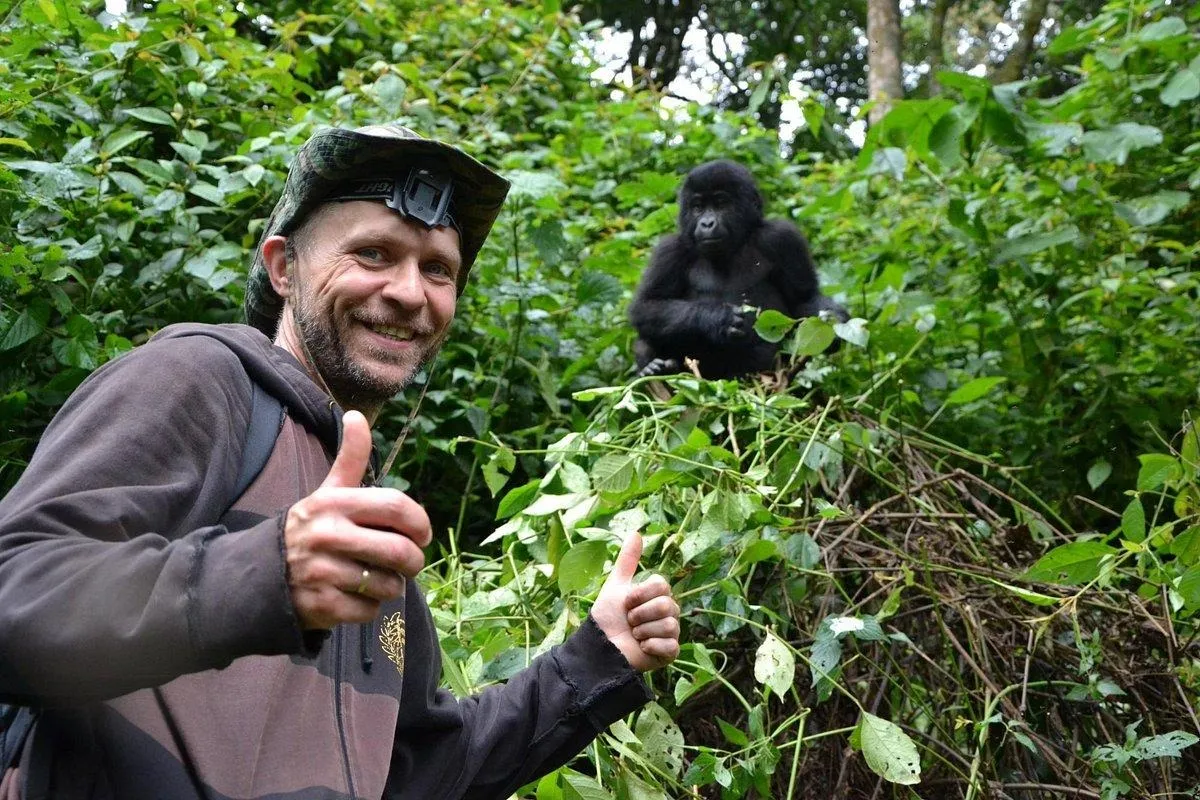
Wildlife encounters are among the most exciting parts of a Ugandan safari, but they must always be approached responsibly.
Inside national parks, follow all posted regulations and remain inside the vehicle where required. Never attempt to approach, feed, chase, or provoke wild animals.
Large animals such as elephants and buffaloes can be unpredictable, while predators should always be treated with caution. If an animal approaches your vehicle, remain calm and follow park guidelines.
Do not leave the vehicle in unauthorized locations. If you need assistance, contact park authorities or your safari rental provider rather than attempting to solve a potentially dangerous situation yourself.
Planning Your Route
A successful self-drive safari begins with a realistic itinerary. Uganda is larger than it may appear on a map, and traveling between major attractions can require significant time.
Instead of trying to visit every major park, select destinations that fit comfortably within your available days. For example, a shorter trip could focus on destinations in western Uganda, while a longer itinerary could include more remote areas.
Allow extra time for unexpected delays. Weather, road conditions, mechanical problems, and spontaneous wildlife sightings can all change your schedule.
It is also useful to download offline maps before leaving areas with reliable internet access. Keep important contact numbers and accommodation information available offline as well.
Responsible Travel and Conservation
A self-drive safari should not only be about personal adventure. Responsible tourism helps protect Uganda’s natural environment and supports local communities.
Stay on designated roads and tracks where required, avoid disturbing animals, and take all rubbish with you. Reduce unnecessary plastic use and use water responsibly when camping.
Supporting locally owned accommodation, campsites, guides, restaurants, and community tourism projects can also help ensure that tourism benefits people living near wildlife areas.
Remember that national parks and forests are protected ecosystems. The goal is to observe nature without changing the behavior or environment of the animals and communities around you.
Tips for a Successful Uganda Self-Drive Safari
Preparation is the key to a smooth adventure. Before leaving, check your vehicle carefully and understand the rental company’s emergency support arrangements.
Plan your fuel stops in advance, especially when traveling to remote destinations. Carry enough drinking water and essential supplies for long stretches of road.
Start driving early whenever possible. Early mornings can provide comfortable temperatures, beautiful scenery, and excellent opportunities for wildlife viewing.
Most importantly, remain flexible. A self-drive safari is not simply about reaching the next destination. Some of the best memories may come from unexpected stops, beautiful landscapes, conversations with local people, or a wildlife encounter you never planned.
Final Thoughts
Camping and self-drive safaris in Uganda provide an excellent way to experience the Pearl of Africa with freedom and independence. From the dramatic scenery of Murchison Falls and the diverse ecosystems of Queen Elizabeth National Park to the remote wilderness of Kidepo Valley and the scenic landscapes around Lake Mburo, Uganda offers a wide variety of experiences for adventurous travelers.
With the right 4×4 vehicle, sensible route planning, appropriate camping equipment, and respect for wildlife and local regulations, a self-drive journey can become much more than an ordinary holiday. It can be an immersive African adventure where every road, campsite, landscape, and wildlife encounter becomes part of the story.