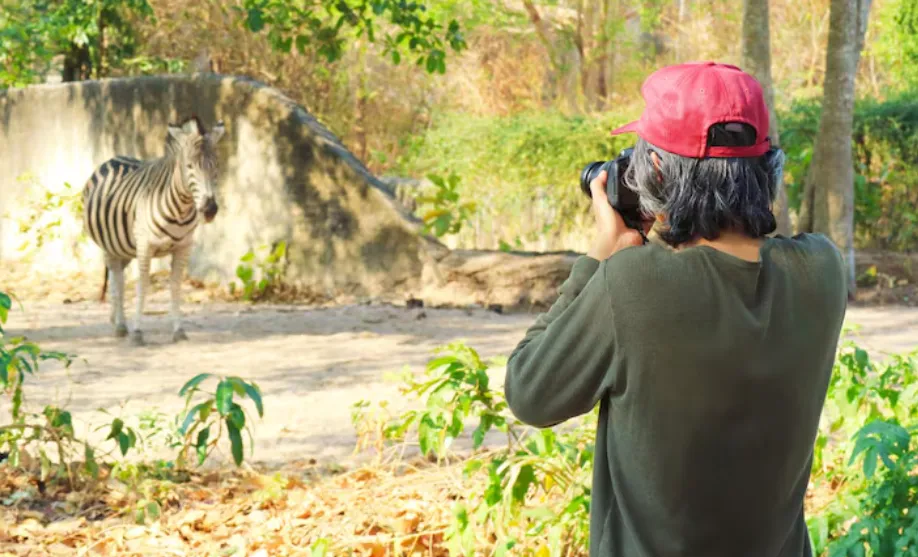
There’s a special kind of anticipation that comes with stepping onto a hunting property for the first time. Every trail, every scrape, every rustle in the brush feels like a clue waiting to be decoded. But here’s the truth every experienced hunter eventually learns—success on the land isn’t about luck. It’s about understanding what the land is trying to tell you.
That’s where modern science and fieldcraft come together. Today, a hunting property wildlife survey is one of the most powerful tools for turning raw land into a well-managed, productive, and ethically balanced hunting environment.
Instead of guessing where deer, turkey, or other game might be, you gain a clear, data-driven picture of how wildlife actually uses your property.
What Is a Hunting Property Wildlife Survey?
A hunting property wildlife survey is a structured assessment of wildlife activity, habitat quality, and game population trends on a specific piece of land.
It typically involves:
-
Trail camera monitoring
-
Drone and thermal imaging surveys
-
Ground tracking and sign identification
-
Habitat mapping and food source evaluation
-
Population density estimation
Think of it as creating a living blueprint of your hunting property—showing where animals live, feed, travel, and rest throughout the year.
Why Wildlife Surveys Are a Game-Changer for Hunters
From Guesswork to Precision Strategy
Most hunters rely on experience, instinct, or limited observations. While those still matter, they often miss the bigger picture.
A structured survey removes the guesswork by revealing:
-
Exact movement corridors
-
High-traffic feeding areas
-
Bedding zones and sanctuary areas
-
Seasonal shifts in game behavior
This allows hunters to plan with confidence instead of hope.
Better Use of Your Land
Even a small property can hold a surprising amount of wildlife activity—but only if the habitat supports it properly.
A survey helps identify:
-
Underused areas that could attract more game
-
Over-pressured zones where animals avoid human presence
-
Opportunities for food plots or water placement
-
Natural bottlenecks ideal for stand placement
The result is a smarter, more productive hunting layout.
Ethical and Sustainable Hunting
Responsible hunters care about the long-term health of wildlife populations. A wildlife survey ensures:
-
Balanced harvest strategies
-
Protection of breeding populations
-
Maintenance of healthy age structures in game herds
In other words, it helps ensure that the land continues to produce year after year.
A Real-World Story from the Field
A landowner once purchased a 120-acre wooded property with high hopes. The sign looked promising—fresh tracks, rubs, and occasional sightings. But hunting results were inconsistent. Some seasons were great, others nearly empty.
Frustrated, he decided to invest in a full wildlife survey.
Over several weeks, survey data revealed something unexpected. The deer weren’t spread evenly across the property—they were concentrated in a narrow travel corridor between a thick bedding area and a neighboring crop field.
Even more surprising, a heavily used hunting stand was placed just outside this corridor, missing the main movement by less than 100 yards.
With this new understanding, he restructured access routes, relocated stands, and reduced pressure on key bedding zones.
The next season told a different story—consistent sightings, predictable movement, and significantly improved harvest success.
That’s the power of knowing your land instead of guessing it.
Key Components of a Wildlife Survey on Hunting Property
1. Game Population Assessment
Understanding how many animals are on your property is the foundation of good management. This includes:
-
Deer density estimates
-
Buck-to-doe ratios
-
Age structure analysis
This data helps determine whether the herd is thriving, overcrowded, or under pressure.
2. Habitat Quality Evaluation
Wildlife depends on habitat. A survey evaluates:
-
Food availability (natural browse, crops, food plots)
-
Water sources
-
Cover and bedding areas
-
Edge habitats where animals feel safe
Improving these areas often leads to immediate increases in wildlife activity.
3. Movement Pattern Tracking
By combining trail cameras, ground tracking, and sometimes drones, surveys map how animals move through the property.
You begin to see:
-
Travel corridors
-
Feeding-to-bedding routes
-
Seasonal migration shifts
This is where hunting strategy becomes truly precise.
4. Pressure and Disturbance Mapping
One of the most overlooked factors in hunting success is human pressure. Wildlife surveys help identify:
-
Areas where human scent is deterring game
-
Overused access paths
-
Zones where animals feel unsafe
Reducing pressure in the right places can dramatically improve results.
How Hunters Can Use Survey Results Effectively
Start With a Property Map
Visualizing your land is key. Mark:
-
Bedding areas
-
Feeding zones
-
Water sources
-
Movement routes
This creates your strategic foundation.
Adjust Stand Locations Strategically
Instead of placing stands where you see occasional activity, position them along high-probability travel corridors identified in the survey.
Improve Habitat Based on Data
Small improvements go a long way:
-
Add food plots in underutilized areas
-
Create bedding cover using native vegetation
-
Install water sources in dry zones
Reduce Human Disturbance
Sometimes the best improvement is doing less. Limit access to sensitive areas and use entry routes that avoid core habitat zones.
Monitor Continuously
Wildlife patterns change with seasons, weather, and human activity. Ongoing surveys ensure your strategy stays updated.
The Role of Technology in Modern Wildlife Surveys
Today’s hunting property surveys are more advanced than ever. Tools include:
-
Trail cameras with AI image sorting
-
Thermal drone surveys for night activity detection
-
GPS-based mapping systems
-
GIS habitat modeling
These technologies provide a level of insight that traditional scouting simply cannot match.
But even with advanced tools, field experience still matters. The best results come from combining technology with boots-on-the-ground knowledge.
The Bigger Picture: Managing for the Future
A hunting property isn’t just a place to harvest game—it’s a living ecosystem. When managed correctly, it becomes more productive, more balanced, and more rewarding year after year.
A well-executed hunting property wildlife survey doesn’t just improve hunting success—it builds a long-term relationship between land, wildlife, and the people who care for it.
Final Thoughts
Every piece of land has a story. Some tell it clearly; others require careful observation and patience to understand. Wildlife surveys help translate that story into actionable insight.
For hunters and land managers, this means less guessing and more understanding. Less frustration and more consistency. And ultimately, a deeper connection to the land itself.
