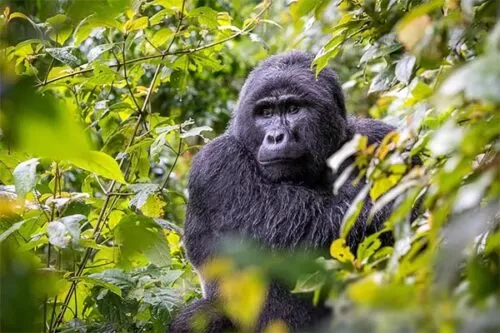
An Africa wildlife photography tour is an extraordinary opportunity to experience nature at its most powerful while capturing unforgettable images. Across the continent, vast savannahs, dramatic landscapes, and diverse ecosystems provide a spectacular setting for photographers seeking authentic encounters with wildlife. From the first light of dawn to the golden colors of sunset, every moment on an African safari can become a remarkable photographic story.
Africa is home to some of the world’s most iconic wildlife. A photography tour may bring you face-to-face with lions resting beneath acacia trees, elephants moving across open plains, leopards hidden in dense vegetation, cheetahs scanning the horizon, and large herds of buffalo. Beyond the famous Big Five, photographers can also capture giraffes, zebras, wildebeest, hippos, crocodiles, wild dogs, colorful birds, and many other species.
{“fallbackMarkdown”:”Serengeti National Park”,”reference”:{“alt”:”Serengeti National Park”,”category”:”point_of_interest”,”extra_params”:{“disambiguation”:”Tanzania”},”name”:”Serengeti National Park”,”prompt_text”:”Serengeti National Park”,”status”:”done”,”type”:”entity”},”referenceKey”:”0″,”showLoginRequiredCard”:false} is one of the continent’s premier destinations for wildlife photography. Its endless plains offer exceptional opportunities to photograph predators and large herds in dramatic natural surroundings. The Great Migration, when millions of wildebeest and other grazing animals move across the Serengeti and neighboring ecosystems, creates spectacular scenes of movement, dust, and survival.
{“fallbackMarkdown”:”Masai Mara National Reserve”,”reference”:{“alt”:”Masai Mara National Reserve”,”category”:”point_of_interest”,”extra_params”:{“disambiguation”:”Kenya”},”name”:”Masai Mara National Reserve”,”prompt_text”:”Masai Mara National Reserve”,”status”:”done”,”type”:”entity”},”referenceKey”:”1″,”showLoginRequiredCard”:false} is equally impressive. Its open grasslands make it possible to observe wildlife from excellent photographic positions, while the region’s rich concentration of predators provides opportunities for compelling action and behavioral images. Sunrise and sunset transform the landscape with warm, soft light, creating ideal conditions for atmospheric photography.
Southern Africa also offers outstanding photographic experiences. {“fallbackMarkdown”:”Kruger National Park”,”reference”:{“alt”:”Kruger National Park”,”category”:”point_of_interest”,”extra_params”:{“disambiguation”:”South Africa”},”name”:”Kruger National Park”,”prompt_text”:”Kruger National Park”,”status”:”done”,”type”:”entity”},”referenceKey”:”2″,”showLoginRequiredCard”:false} provides access to an extraordinary variety of wildlife and habitats. Experienced guides can help photographers locate animals while explaining their behavior, tracks, and surroundings. This combination of expert knowledge and patience allows photographers to anticipate natural moments rather than simply react to them.
Good preparation is essential for a successful wildlife photography tour. A camera with a reliable autofocus system, a telephoto lens, extra batteries, memory cards, and binoculars are valuable equipment. However, technical equipment alone does not guarantee great photographs. Patience, careful observation, an understanding of animal behavior, and effective use of natural light are equally important.
Early morning and late afternoon are particularly rewarding times for photography because the light is softer and warmer. These conditions can highlight textures, create beautiful silhouettes, and add depth to wildlife portraits. Professional guides and specialist photography leaders can also help participants improve composition, camera settings, and field techniques.
Responsible tourism should remain at the heart of every wildlife photography experience. Photographers should respect park regulations, maintain safe distances, avoid disturbing animals, and never interfere with natural behavior. Ethical photography helps protect wildlife while allowing future generations to enjoy the same extraordinary wilderness.
An Africa wildlife photography tour is more than a photographic adventure. It is an opportunity to connect with nature, learn about remarkable ecosystems, and witness wildlife in its natural environment. The photographs captured along the way become lasting memories—and powerful visual reminders of why Africa’s wild places deserve to be protected.