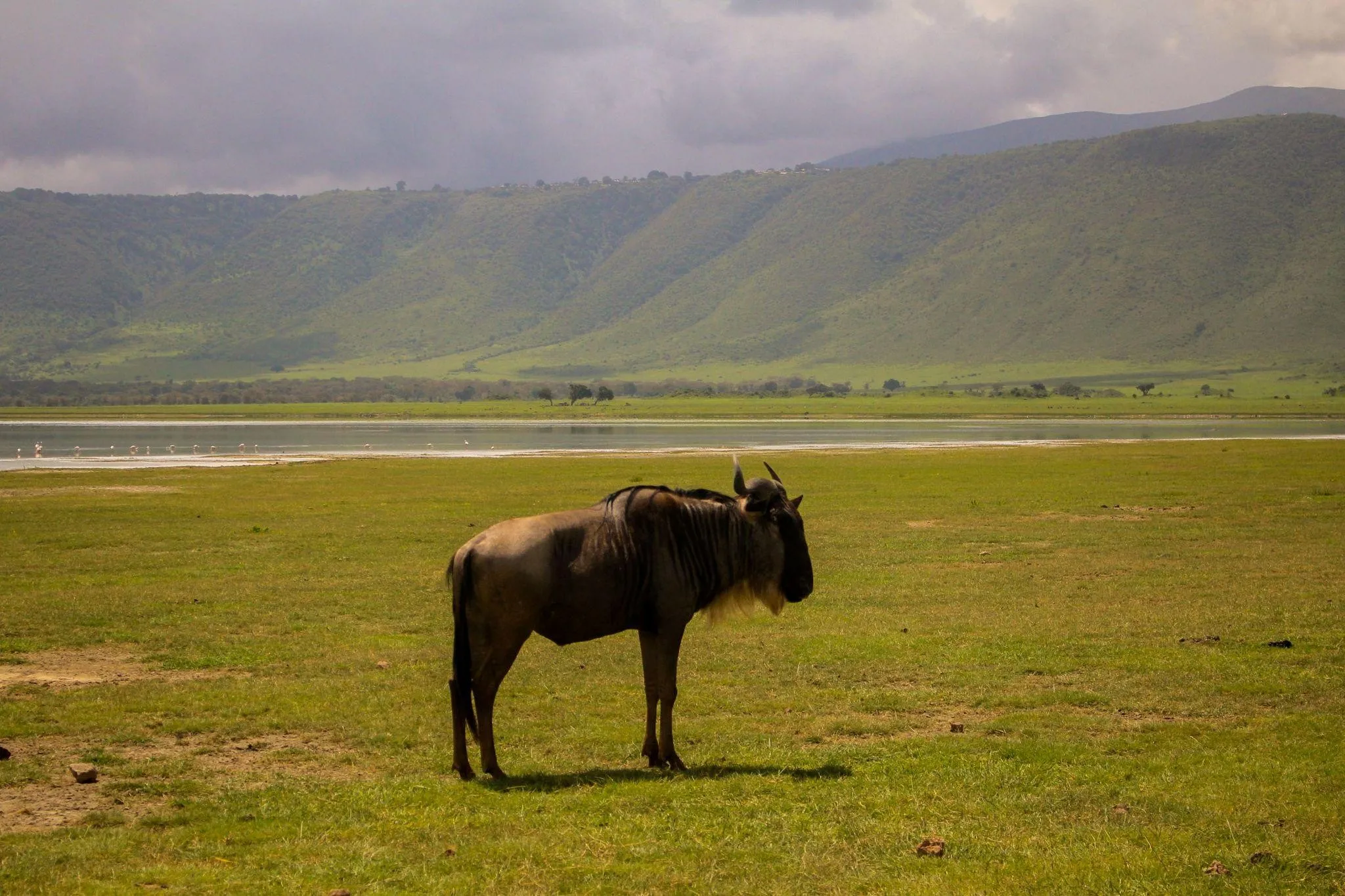
The Great Migration is one of the most remarkable wildlife experiences in Africa, attracting travelers who want to witness huge herds of wildebeest, zebras, and other animals moving across the plains of Tanzania and Kenya. However, seeing the migration is not simply about choosing a safari and arriving in the Serengeti. The location of the herds changes throughout the year, so selecting the right Great Migration safari itinerary in Tanzania requires careful planning.
A well-planned itinerary considers the time of year, the location of the migration, the length of the safari, the parks included, accommodation style, budget, and the type of experience you want. Understanding these factors can help travelers create a Tanzania safari itinerary that matches their expectations.
Understanding the Great Migration
The Great Migration is a continuous movement of large herds of wildebeest, zebras, and gazelles through the Serengeti ecosystem and into Kenya’s Maasai Mara.
The animals move in response to seasonal rainfall and the availability of fresh grazing. Because this is a natural process, the exact location of the herds can vary from one year to another.
This means there is no single migration destination that guarantees the same experience throughout the year.
For travelers planning a Great Migration safari in Tanzania, understanding the seasonal movement is one of the most important parts of itinerary planning.
Choose Your Travel Month Carefully
The month of travel can have a major influence on the type of migration experience you encounter.
January to March: Calving Season
The southern Serengeti and Ndutu area are associated with the calving season during this period.
Large numbers of wildebeest gather in areas where fresh grass becomes available. Travelers may have opportunities to see newborn animals and increased predator activity.
This period can be particularly interesting for visitors who want to experience the beginning of the wildlife cycle rather than focusing specifically on river crossings.
April to May: Green Season and Movement
The landscape can become greener during the rainy season, while the herds gradually move toward the central and western areas of the Serengeti.
Some safari routes may be quieter during this period, although travelers should be prepared for changing weather and occasional rain.
June to July: Western and Northern Movement
As the herds continue moving northward, areas of the western Serengeti can become important for migration viewing.
The exact timing varies each year, so a safari operator with local knowledge can help determine which areas may be suitable during your travel dates.
August to October: Northern Serengeti
Northern Serengeti is often associated with one of the most anticipated stages of the migration: river crossings.
The herds may gather around river systems as they move toward Kenya.
However, river crossings are unpredictable. Wildlife may spend hours or days near a crossing point before deciding to cross, and some herds may take different routes entirely.
Travelers should therefore avoid planning an itinerary based entirely on the expectation of seeing a dramatic crossing on a specific day.
November to December: Return South
Following seasonal rains, the herds gradually begin moving back toward the southern Serengeti and Ndutu areas.
This creates another opportunity to experience large herds while enjoying the changing landscapes of Tanzania.
Decide How Many Days You Need
The length of your safari can influence how much flexibility you have.
3-Day Migration Safari
A three-day itinerary can work for travelers with limited time, but it provides less flexibility if wildlife movements or road conditions change.
It may focus on one or two key areas rather than covering large portions of the Serengeti.
4 to 5 Days
A four- or five-day itinerary provides more time to explore the Serengeti and potentially include another important destination such as the Ngorongoro Conservation Area.
This can be a practical option for travelers who want a balance between safari time and overall trip length.
6 to 8 Days
A longer itinerary allows travelers to spend more time in different regions of the Serengeti.
This can be useful during migration periods when the location of the herds is not guaranteed. More time can mean greater flexibility to explore different areas rather than rushing from one destination to another.
Include More Than One Safari Area
A strong Tanzania Great Migration itinerary does not necessarily need to focus entirely on the migration.
Combining the Serengeti with other northern Tanzania destinations can create a more complete safari experience.
Serengeti National Park
The Serengeti is the primary destination for experiencing the migration in Tanzania. Different regions of the park become more relevant at different times of year.
Ngorongoro Conservation Area
Ngorongoro can add a different wildlife and landscape experience to a migration safari. The crater provides opportunities to see a variety of wildlife within a relatively concentrated area.
Tarangire National Park
Tarangire is known for its elephants, baobab trees, and diverse landscapes. It can be included before or after the Serengeti depending on the route.
Lake Manyara
Lake Manyara can also be considered as part of a northern Tanzania itinerary, particularly for travelers interested in combining different landscapes and wildlife habitats.
Choose the Right Serengeti Region
The Serengeti is a large ecosystem, and the experience can vary considerably between regions.
Southern Serengeti
Southern Serengeti and the Ndutu area are particularly relevant during the calving season.
Central Serengeti
Central Serengeti is useful for travelers who want a general Serengeti safari experience and year-round wildlife viewing.
Western Serengeti
The western areas can become important during parts of the migration’s northward movement.
Northern Serengeti
Northern Serengeti is frequently selected by travelers hoping to experience the migration around the Mara River area.
Choosing the region according to your travel month is more useful than simply selecting a location based on popularity.
Consider Private vs. Group Safari
Your choice between a private and group safari can affect the overall itinerary.
Private Safari
A private safari can offer greater flexibility. Travelers may have more control over departure times, game-drive duration, photography stops, and the pace of the trip.
This can be useful during migration periods because wildlife movements are unpredictable.
Group Safari
Group safaris can be a practical option for travelers who want to control costs and meet other travelers.
The itinerary is generally more structured, so travelers should check the group size, vehicle arrangements, accommodation, and schedule before booking.
Think About Your Accommodation Style
Accommodation is another important consideration when planning a migration safari.
Options can include:
-
Public campsites
-
Tented camps
-
Permanent tented camps
-
Mid-range lodges
-
Luxury lodges
-
Mobile migration camps
Mobile camps can be particularly interesting for travelers who want accommodation positioned closer to seasonal wildlife movements.
However, the best accommodation depends on budget, comfort expectations, location, and availability.
Consider Your Safari Budget
A Great Migration safari can be organized at different budget levels.
The final price can depend on:
-
Number of safari days
-
Type of accommodation
-
Private or shared vehicle
-
Number of travelers
-
Park and conservation fees
-
Season
-
Transportation
-
Meals
-
Guide services
-
Internal flights
-
Additional activities
Travelers should compare complete package inclusions rather than looking only at the advertised starting price.
A lower-priced safari may exclude certain costs that are included in a more comprehensive package.
Consider Adding Zanzibar
After several days of wildlife viewing, some travelers choose to continue to Zanzibar for a beach holiday.
A Tanzania safari and Zanzibar combination can provide two very different experiences in one trip.
A typical itinerary might include:
Days 1–2: Tarangire or another northern Tanzania destination
Days 3–6: Serengeti and migration-focused safari
Days 7–8: Ngorongoro area
Days 9–12: Zanzibar beach holiday
The number of days can be adjusted according to the traveler’s budget, interests, and available vacation time.
Check What Your Safari Package Includes
Before booking, travelers should carefully review the inclusions and exclusions.
Important questions include:
-
Is airport pickup included?
-
Are park fees included?
-
Is accommodation included?
-
Are meals provided?
-
Is the safari vehicle private or shared?
-
Is a professional guide included?
-
Are transfers included?
-
Are internal flights included?
-
Are drinks included?
-
Are additional activities charged separately?
Understanding these details in advance can make it easier to compare different Tanzania safari packages.
Work With a Local Safari Operator
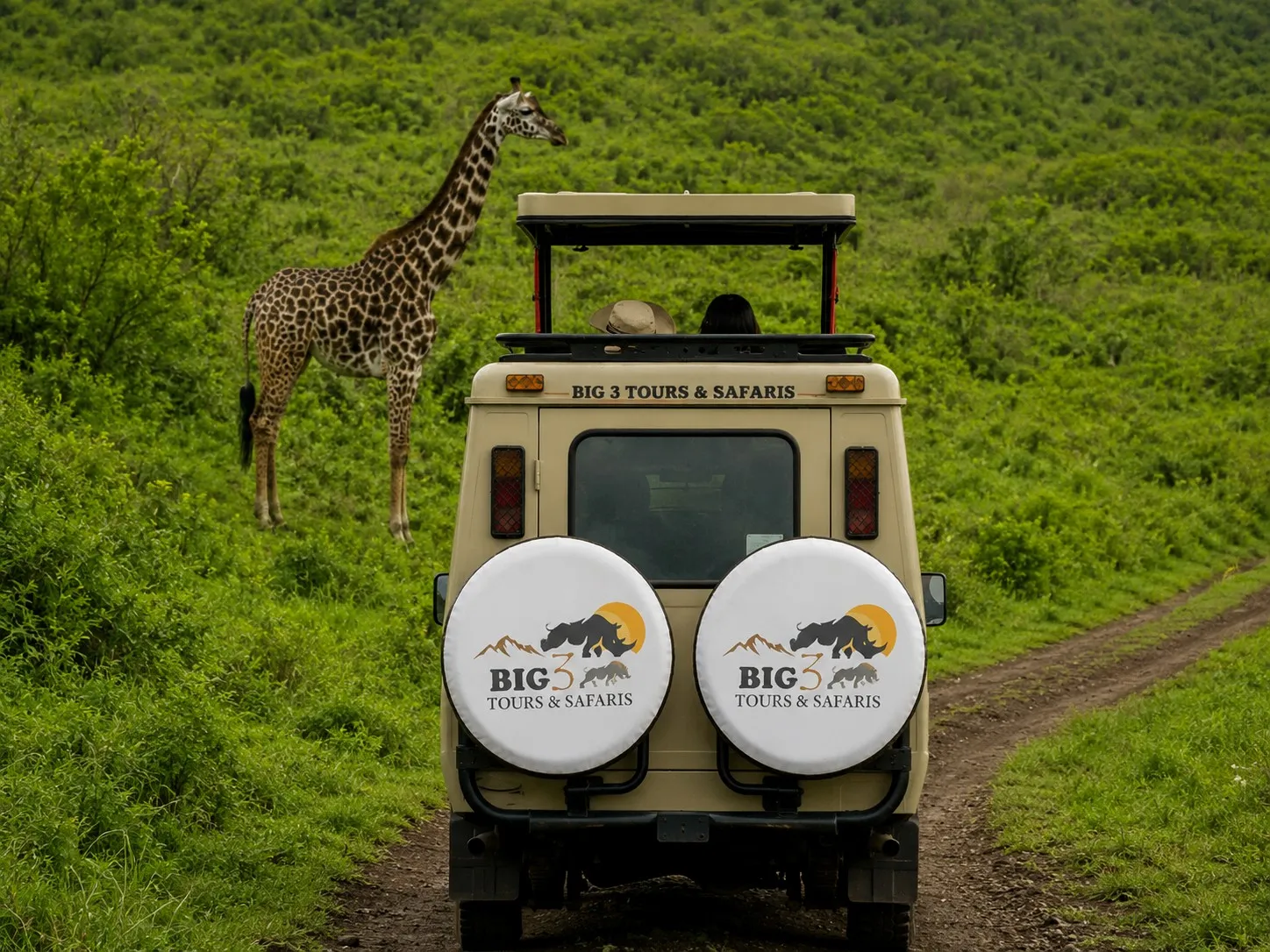
Planning a migration safari can be complicated because the wildlife moves throughout the year and the best areas change with the season.
A local Tanzania safari operator can help travelers select suitable destinations according to their travel dates, preferred safari style, budget, and interests.
Big Three Tours and Safaris is one operator travelers can consider when planning a Tanzania safari itinerary. A local operator can help organize different safari options and create an itinerary that combines the Serengeti with destinations such as Ngorongoro and Tarangire, depending on the traveler’s schedule.
When selecting an operator, travelers should review the itinerary carefully and confirm exactly what is included before making a booking.
Final Thoughts
Choosing a Great Migration safari itinerary in Tanzania is primarily about matching your travel dates with the seasonal movement of the herds and allowing enough time to explore the right areas.
Rather than focusing exclusively on one famous event, such as a river crossing, consider the complete migration cycle. Calving season, predator activity, grazing herds, changing landscapes, and seasonal wildlife movements all contribute to the overall experience.
A well-planned itinerary should also consider safari duration, accommodation, budget, private or group travel, additional national parks, and transportation. With careful planning and guidance from a knowledgeable local operator, travelers can create a Tanzania safari experience that fits their interests while leaving room for the unpredictability that makes the Great Migration so fascinating.